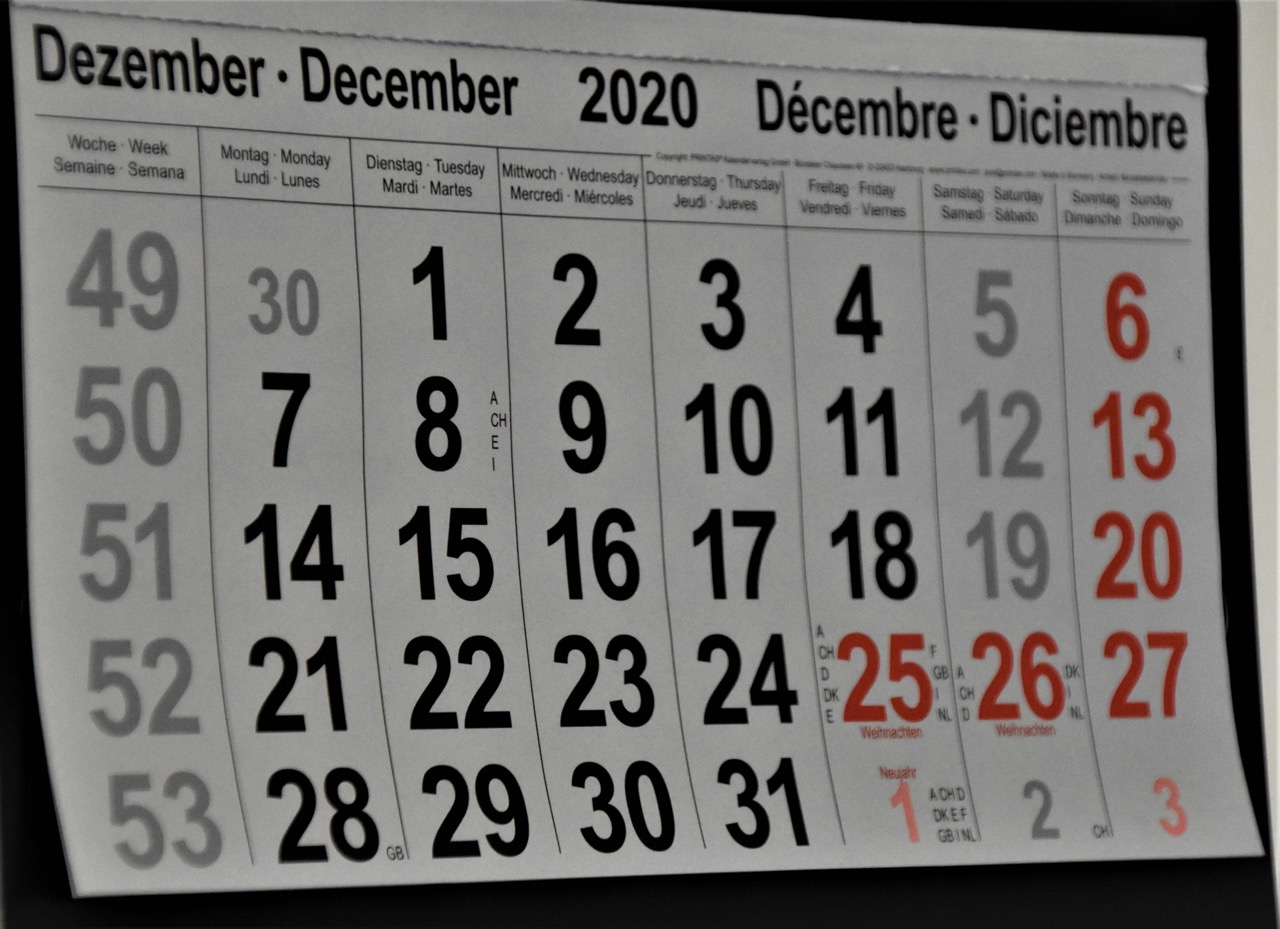






Calendars play a fundamental role in organizing our lives, marking the passage of time, and structuring societal celebrations. As global citizens, we are bound by shared dates that commemorate significant events, advocate for causes, and promote awareness on various issues. This article explores how calendars guide the celebration of international days, examining their significance, cultural contexts, and future trends.
Understanding the Role of Calendars in Global Celebrations
Calendars do more than just help us keep track of dates; they serve as a universal framework for organizing events and celebrations. International days, such as World Health Day or International Women’s Day, are strategically placed within the calendar to raise awareness and mobilize action around specific issues. These days create a sense of global unity, allowing individuals from different backgrounds to come together in purpose and message.
The establishment of international days often stems from global agreements or declarations, reflecting collective goals. For instance, the United Nations designates various days to spotlight pressing issues, fostering a unified approach toward tackling global challenges. This process relies heavily on the calendar as a tool for synchronization, ensuring that people worldwide recognize and act on these significant occasions simultaneously.
Moreover, calendars help in creating routine and anticipation, especially for annual celebrations. When communities know that a particular day is dedicated to a specific cause, it fosters a sense of belonging and encourages participation. The predictability of these dates enables organizations, individuals, and communities to prepare, plan events, and mobilize resources effectively.
Key International Days and Their Calendar Significance
Several international days carry notable significance on the global calendar, each serving to illuminate important themes and issues. For example, Earth Day, celebrated on April 22, emphasizes environmental protection and sustainability. This date was chosen to align with the growing awareness of environmental issues and serves as a reminder of our collective responsibility to the planet.
Another example is World Health Day, observed on April 7, which focuses on global health issues and encourages international cooperation. The timing of this day not only highlights health-related causes but also serves as a platform for health organizations and governments to advocate for policies and practices that improve public health.
These days often come with themes that change yearly, reflecting the evolving nature of global challenges and priorities. The calendar year thus becomes a canvas for these themes, allowing for a renewed focus on critical issues and inspiring action across various sectors—from grassroots movements to international organizations.
How Cultural Context Shapes the Celebration of These Days
Cultural context plays a significant role in how international days are celebrated around the world. Different regions may interpret the same day in diverse ways, influenced by local traditions, social norms, and historical backgrounds. For instance, International Women’s Day might be marked by rallies and discussions in one country, while another might celebrate with cultural performances and community gatherings.
In some cultures, certain international days may clash with local customs or holidays, leading to a unique blending of traditions. For example, a day dedicated to a global cause may coincide with a national celebration, prompting communities to find innovative ways to honor both occasions simultaneously. This cultural interplay enriches the celebrations, making them more inclusive and representative of local sentiments.
Furthermore, narratives surrounding these international days can vary widely based on societal values. As communities reinterpret these celebrations, they adapt the messaging to resonate with local experiences and aspirations. This flexibility ensures that the essence of the day remains relevant and impactful across different cultural landscapes.
Future Trends: Evolving Calendars and International Observances
As we move further into the 21st century, we witness an evolution in both calendars and the observance of international days. Digital calendars and social media platforms are shaping how these days are promoted and celebrated. With real-time communication, awareness can spread rapidly, engaging a broader audience and encouraging participation beyond traditional boundaries.
Moreover, the increasing globalization of society leads to the emergence of new international days that reflect contemporary issues, such as mental health awareness and climate action. These days are often birthed from grassroots movements that gain traction online, demonstrating a shift in how we collectively prioritize and address pressing matters.
The future of international observances may also involve a greater emphasis on intersectionality, recognizing the interconnectedness of various social issues. This trend could lead to collaborative celebrations that unite different international days, creating a multifaceted approach to advocacy and awareness that resonates on a larger scale.
In conclusion, calendars serve as critical guides for the celebration of international days, fostering unity, awareness, and action around significant global issues. By understanding their role, recognizing key days, appreciating cultural contexts, and embracing future trends, we can better participate in these observances. As we navigate an ever-changing world, the importance of these calendar-marked celebrations remains paramount, reminding us of our shared responsibilities and aspirations.