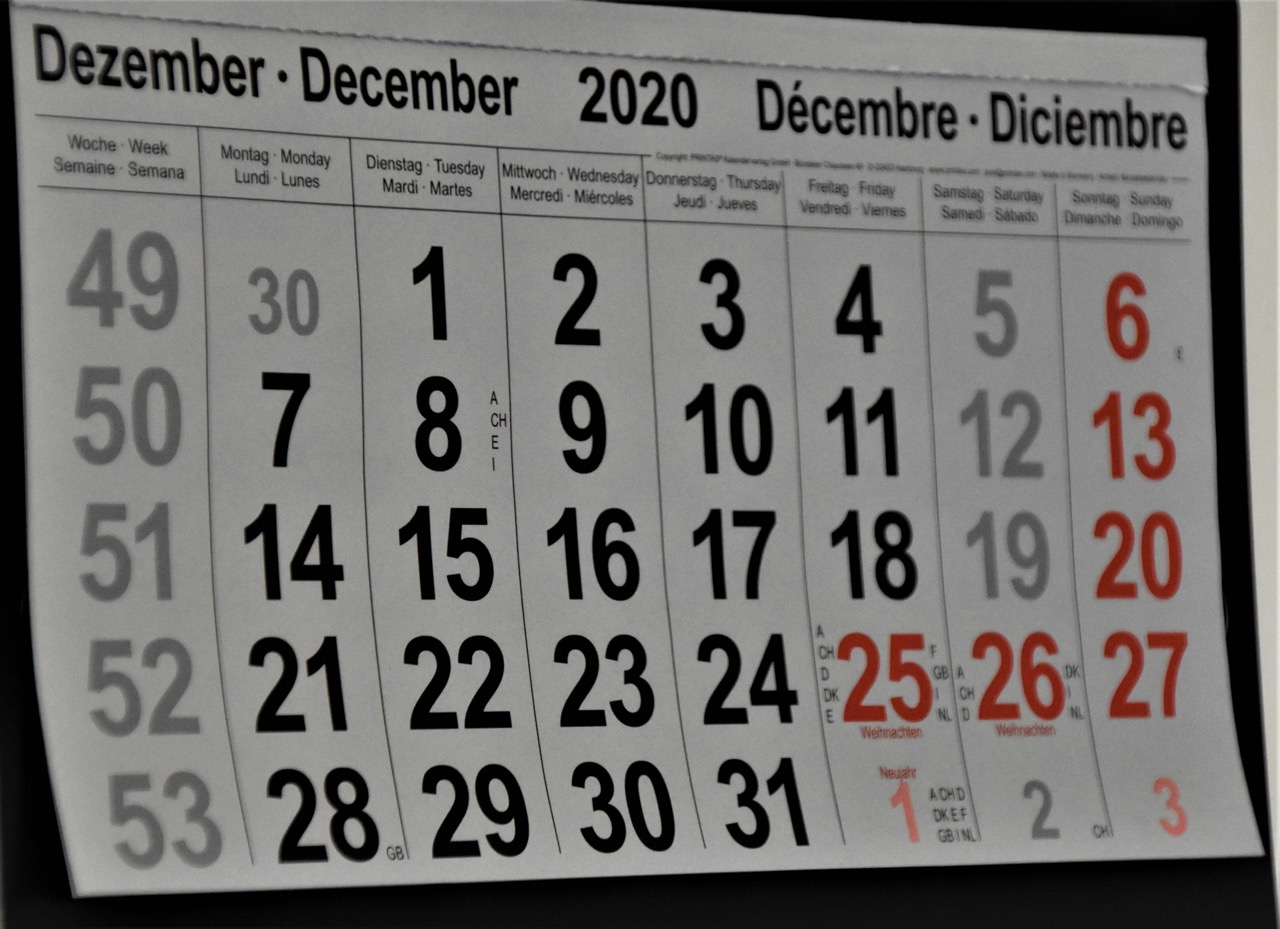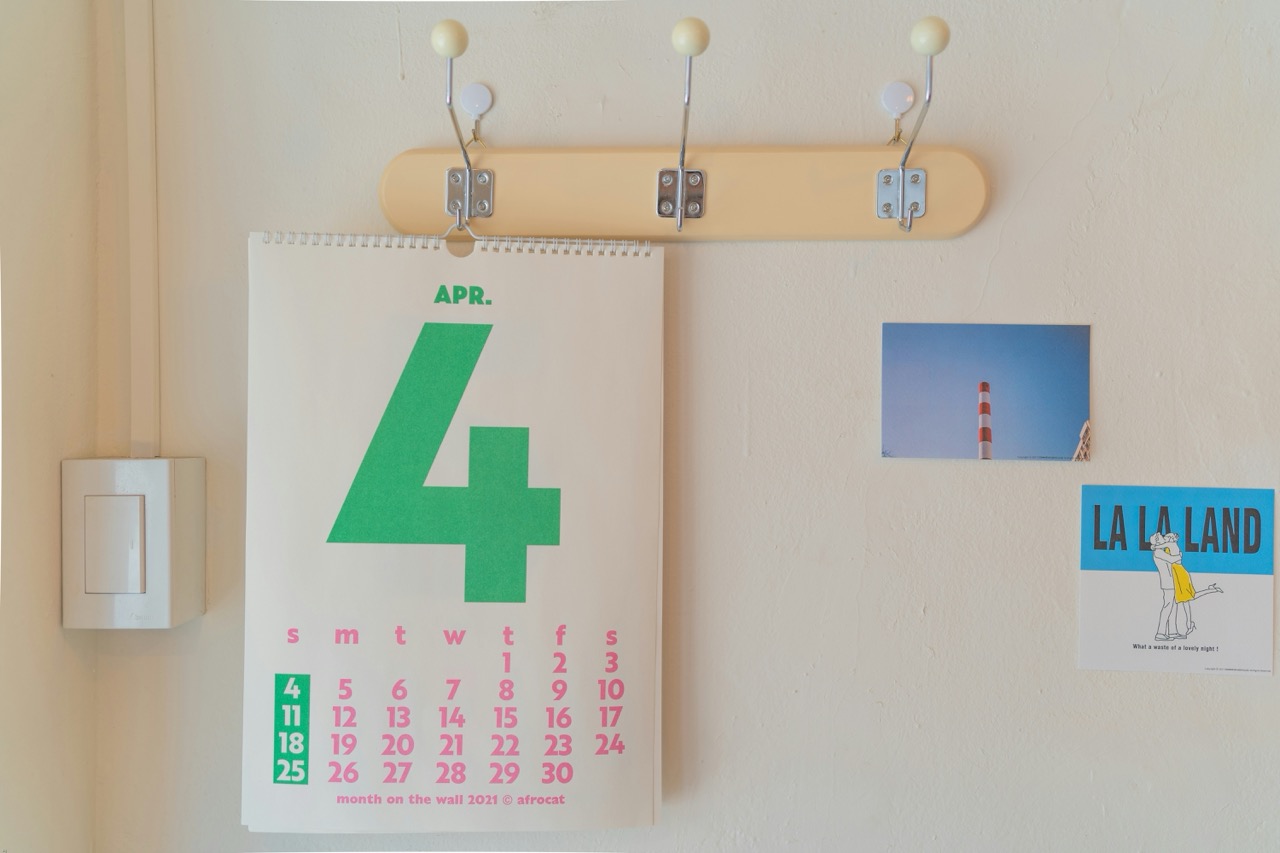




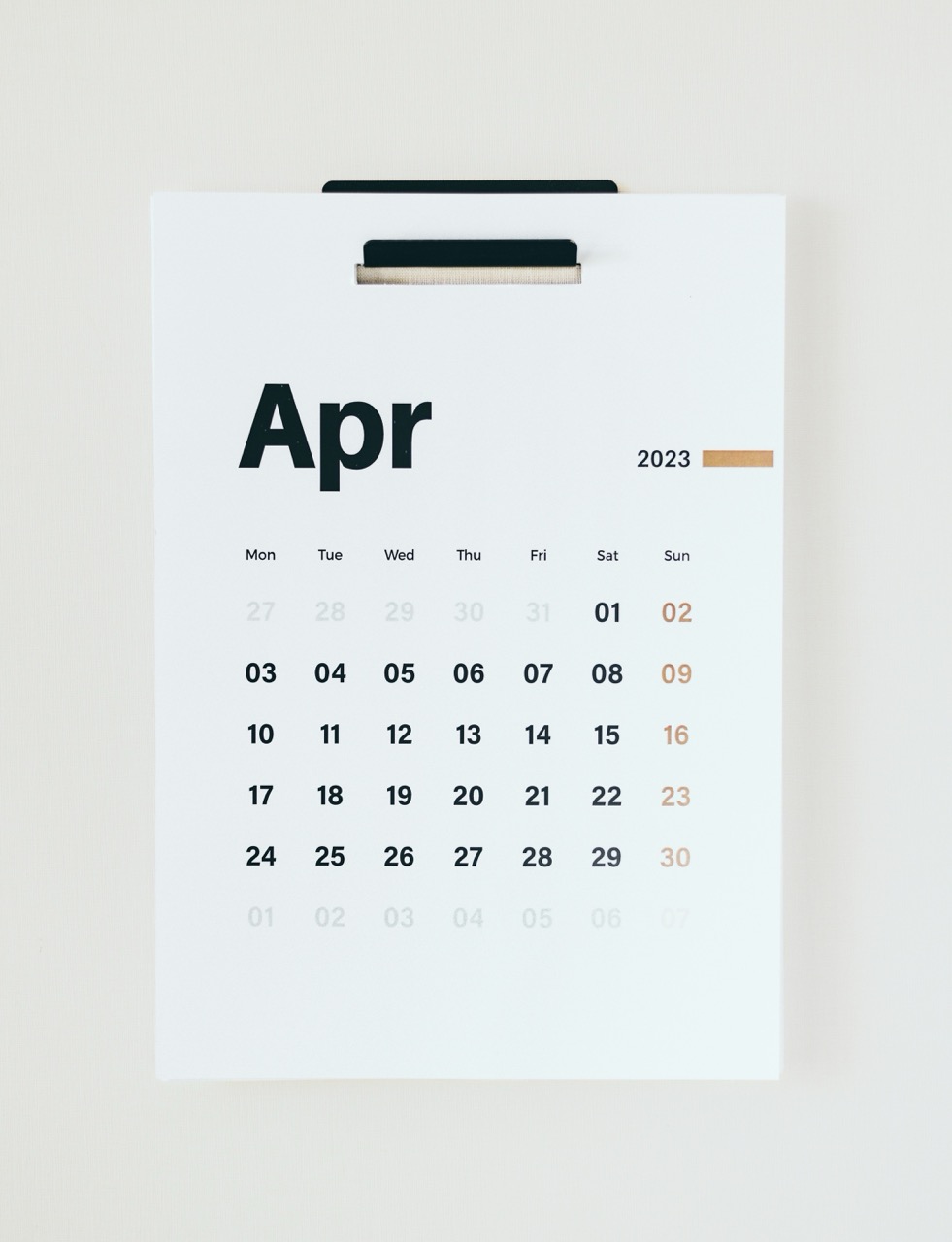
Calendars have been an integral part of human civilization for millennia, serving as tools for timekeeping and organizing social, agricultural, and religious activities. However, they also provide a framework to understand the intricacies of seasonal behavior in various species. The study of seasonal behavior encompasses migration, breeding patterns, and hibernation, among other phenomena, which rely heavily on the changes that occur throughout the year. In this article, we will explore how calendars shape our understanding of seasonal behavior in both animals and humans, examining ecological research methods, animal behaviors, and cultural perspectives on seasons.
Understanding Seasonal Behavior Through Calendar Systems
The concept of a calendar is fundamentally linked to the cyclical nature of seasons. Seasonal behavior refers to the changes in the activities and behaviors of organisms that coincide with the predictable patterns of climate and daylight. Various species have adapted their life cycles to sync with these seasonal changes, which are often charted using different calendar systems. For instance, phenology, the study of the timing of biological events, often utilizes calendars to track the interrelations between weather patterns and life cycle events such as flowering, breeding, and migration.
Different organisms respond uniquely to seasonal cues; some may exhibit changes in behavior in response to temperature, while others may rely on changes in daylight. By employing a calendar framework, scientists can categorize these responses and better understand their timing and significance. For example, certain plants might bloom at the onset of spring as temperatures rise, while migratory birds might return to their breeding grounds based on the lengthening days. These observations allow researchers to connect the dots between environmental changes and biological responses, painting a vivid picture of seasonal behavior across various species.
Moreover, calendars also serve as a means of communication among scientists working in ecological research. By standardizing the timing of observations, researchers can share data and findings more effectively. This synchronization allows for comparative studies across different regions and species, enhancing our comprehension of how seasonal behavior manifests across the globe. Thus, calendars not only document the temporal aspects of seasonal behavior but also foster collaborative efforts in ecological research.
The Role of Calendars in Ecological Research Methods
In ecological research, the utilization of calendars is paramount for tracking seasonal behaviors over time. Researchers often rely on both lunar and solar calendars to correlate their observations with specific seasonal events. For instance, using a lunar calendar allows scientists to understand how the tides affect the breeding cycles of marine species, while a solar calendar aids in deciphering the impact of seasonal weather patterns on terrestrial organisms. By aligning research methodologies with these calendars, scientists can gather precise data on timing and frequency, vital for analyzing trends and changes in ecosystems.
Calendars can also be utilized to establish baselines for long-term ecological studies. By documenting seasonal changes over several years, researchers can observe the impact of climate change on species’ behaviors. For instance, if a species that typically migrates in the fall begins to do so earlier each year, this shift can be recorded and analyzed in relation to temperature changes or food availability. Such data are critical in understanding the broader implications of climate change on biodiversity and ecosystem health.
Additionally, the incorporation of calendars into research methods allows for the exploration of regional differences in seasonal behavior. Different geographic areas experience varying climatic conditions, leading to distinct seasonal patterns. By comparing calendars from different regions, scientists can identify patterns of adaptation and resilience among species, which can inform conservation strategies aimed at protecting vulnerable ecosystems.
How Animals Use Calendars for Migration and Breeding
Animals exhibit remarkable adaptations to seasonal changes, often referred to as biological clocks or circannual rhythms. These internal mechanisms, which are akin to calendars in their function, guide migratory patterns and breeding cycles. Many bird species, for example, rely on a combination of environmental cues and innate biological timing to determine when to migrate. These cues can include changes in temperature, daylight length, and even the availability of food sources, all of which help animals accurately time their movements and reproductive activities.
Migration is perhaps one of the most well-documented examples of seasonal behavior in animals. Birds, such as the Arctic Tern, migrate thousands of miles to take advantage of favorable conditions and abundant resources. This journey is meticulously timed, often starting and ending with the changing seasons. Utilizing both their internal calendars and external environmental indicators, migratory species ensure that they arrive at their destinations during optimal conditions to thrive and reproduce.
Breeding cycles are similarly influenced by seasonal changes. Many species time their reproductive activities to coincide with periods of resource abundance, ensuring that their offspring have the best chance of survival. For example, deer usually breed in the fall, aligning their gestation period with the spring when food is plentiful. Such behavioral synchronization serves as a testament to the importance of calendars—both internal and external—in guiding the life cycles of various species, ultimately contributing to their survival and reproductive success.
Cultural Perspectives: Human Calendars and Seasonal Change
Human cultures have long recognized the significance of seasonal changes, leading to the development of various calendar systems that reflect these cycles. Agrarian societies, in particular, relied on calendars to dictate planting and harvesting times, aligning agricultural practices with the changing of the seasons. The lunar and solar calendars, which are still prominent today, reflect humanity’s deep connection to nature and the rhythms of the earth. Festivals and rituals often coincide with seasonal transitions, celebrating the bounty of spring or the harvest of autumn, thus reinforcing cultural ties to seasonal behavior.
Moreover, cultural interpretations of seasonal changes influence collective behaviors and social structures. For example, the celebration of winter solstice festivals across various cultures demonstrates a communal acknowledgment of the return of light and warmth, symbolizing hope and renewal. These cultural calendars are not merely tools for timekeeping; they encapsulate historical traditions, spiritual beliefs, and social practices that shape community life and individual identities.
As global climate change alters familiar seasonal patterns, cultural calendars are also evolving. Adaptations may include reinterpreting traditional practices or developing new ones that reflect contemporary realities. The influence of climate on cultural identities highlights the interrelationship between human behavior and the environment, prompting a reevaluation of how we understand and respond to seasonal changes. Human calendars, therefore, not only mark the passage of time but also encapsulate the dynamic interplay between culture and nature.
The intersection of calendars and seasonal behavior offers a rich tapestry of insights into both ecological and cultural dimensions. As we continue to unravel the complexities of how species and societies interact with their environments, calendars serve as invaluable tools for understanding these relationships. Through the lenses of migration, breeding, and cultural practices, we gain a deeper appreciation for the rhythms of life that govern our world. In recognizing the significance of calendars, we are reminded of the intricate connections that bind all living things to the cyclical dance of the seasons.