





In an era defined by rapid technological advancements and an ever-evolving social landscape, it may seem as though traditional tools like calendars could become obsolete. However, calendars continue to play a pivotal role in our daily lives, offering structure, facilitating communication, and nurturing cultural practices. This article explores the enduring relevance of calendars in a fast-changing world, highlighting their importance in managing our busy lives, their adaptability to change, their cultural significance, and the innovative ways technology is transforming their use.
The Role of Calendars in Managing Our Busy Lives Today
Calendars serve as essential tools for time management, helping us navigate our increasingly hectic schedules. With work commitments, social gatherings, and personal obligations vying for our attention, a well-organized calendar allows individuals to prioritize tasks and allocate time effectively. Whether it’s a digital app or a traditional paper planner, having a clear visual representation of one’s schedule helps in reducing stress and avoiding conflicts.
Moreover, calendars facilitate communication and collaboration, especially in professional settings. They enable teams to coordinate meetings, set deadlines, and track project milestones. When everyone is aligned on timelines, productivity increases, and misunderstandings decrease. In this way, calendars not only manage our individual tasks but also enhance collective efficiency.
In addition to work and social obligations, calendars can help individuals carve out time for self-care and personal interests. By scheduling time for exercise, hobbies, or relaxation, people can ensure that they maintain a balanced lifestyle amidst their busy routines. Thus, in the whirlwind of daily life, calendars act as anchors, ensuring that we allocate time for what truly matters.
Adapting to Change: Calendars as Tools for Flexibility
In a world where change is the only constant, calendars have adapted to become more flexible and responsive. Digital calendars, such as Google Calendar or Microsoft Outlook, allow for real-time updates and changes, enabling users to adjust their schedules on the fly. This adaptability is particularly crucial in today’s fast-paced environment, where unexpected events can disrupt our plans.
Furthermore, the rise of remote work and global connectivity has necessitated a shift in how we approach scheduling. Calendars now incorporate features that account for different time zones, helping teams collaborate seamlessly across geographical boundaries. This global perspective empowers individuals to manage their time effectively, even when their colleagues are halfway around the world.
Additionally, the integration of reminders and alerts in digital calendars enhances our ability to stay organized amidst shifting priorities. With notifications for upcoming events, deadlines, and appointments, calendars transform from mere scheduling tools into proactive assistants that help us navigate a dynamic world.
Cultural Significance: Calendars in Diverse Societies
Calendars have long held cultural significance across societies, serving as markers for rituals, celebrations, and communal gatherings. From the Gregorian calendar predominating in the Western world to the lunar calendars celebrated in many Asian cultures, each calendar reflects unique histories, traditions, and values. These cultural calendars provide individuals with a sense of identity and belonging.
Festivals, holidays, and even agricultural practices are often dictated by calendars, reinforcing community bonds. For example, the Chinese New Year, Ramadan, and Diwali are all celebrated based on specific calendar systems, showcasing how timekeeping is intertwined with cultural heritage. In this sense, calendars do more than just help us manage time; they serve as vessels for cultural transmission and continuity.
Moreover, the importance of honoring specific dates in cultural calendars highlights the social fabric of communities. Recognizing and celebrating these significant days fosters shared experiences and collective memory, reinforcing the bonds that connect people. As we navigate a fast-changing world, the cultural significance of calendars remains a steadfast reminder of our roots and the shared narratives that shape our identities.
Technology and Tradition: Innovating Calendar Use for All
The intersection of technology and tradition has breathed new life into calendar use, making them more accessible and user-friendly. Digital calendars enable a myriad of functionalities, including color-coding, integration with other applications, and the ability to share calendars with family and friends. These innovations make it easier for individuals to collaborate and stay connected, regardless of location.
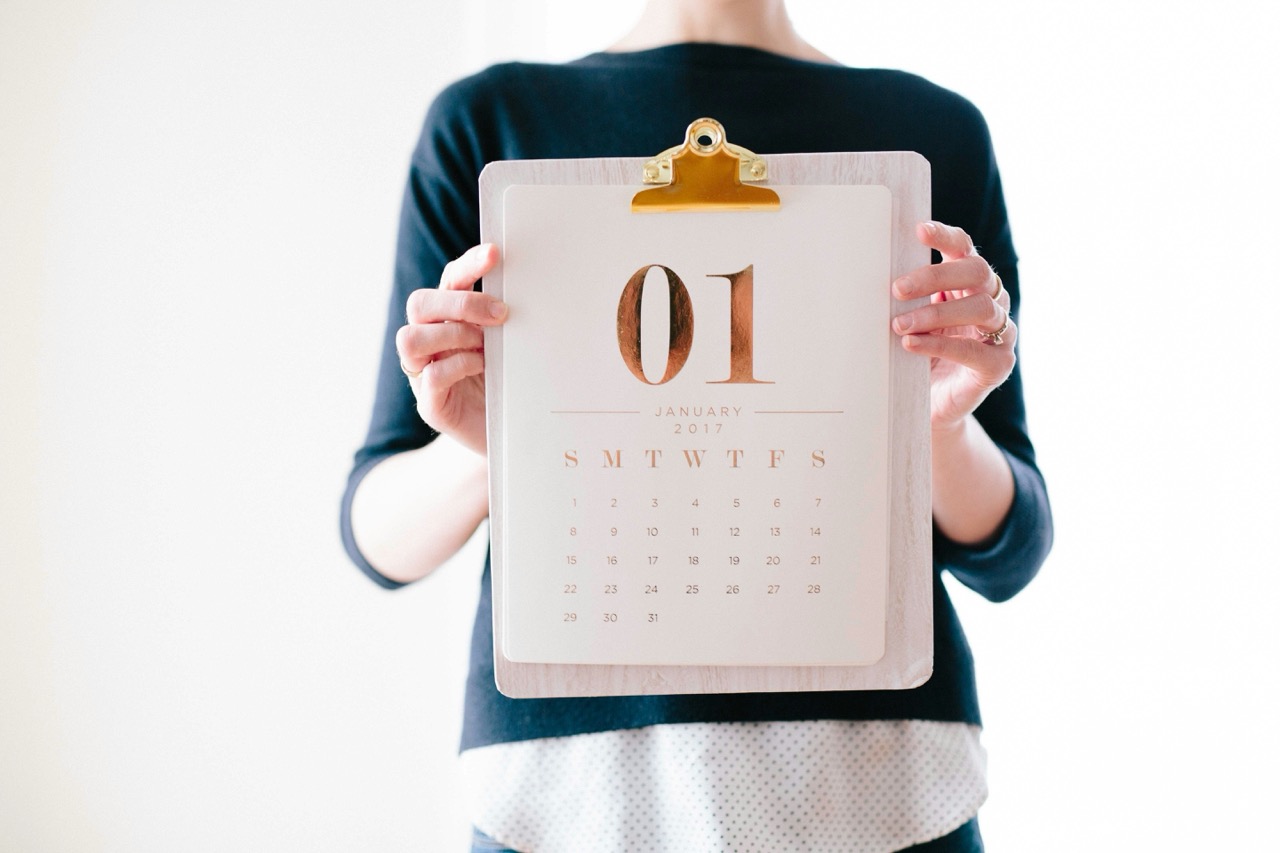
Moreover, traditional methods of timekeeping are also evolving. For instance, wall calendars are being designed not just as functional items, but as artistic expressions that enhance home decor. This blend of functionality and aesthetic appeal makes calendars relevant in both practical and creative spaces, ensuring they remain a staple in our lives.
Additionally, the trend of mindfulness and well-being has influenced how we use calendars. Many people are now incorporating practices like gratitude journaling or scheduling time for mindfulness into their calendars. By doing so, they are leveraging these tools not only for productivity but also for personal growth and wellness, showcasing the versatility and enduring significance of calendars in our modern lives.
In a fast-changing world, calendars remain indispensable tools that help us manage our time, adapt to change, honor cultural traditions, and innovate for future needs. Their ability to merge functionality with personal and cultural significance ensures that they will continue to be relevant, regardless of technological advancements. As we embrace the pace of modern life, calendars will undoubtedly remain our steadfast companions, guiding us through the complexities of time and helping us maintain a sense of order amidst the chaos.