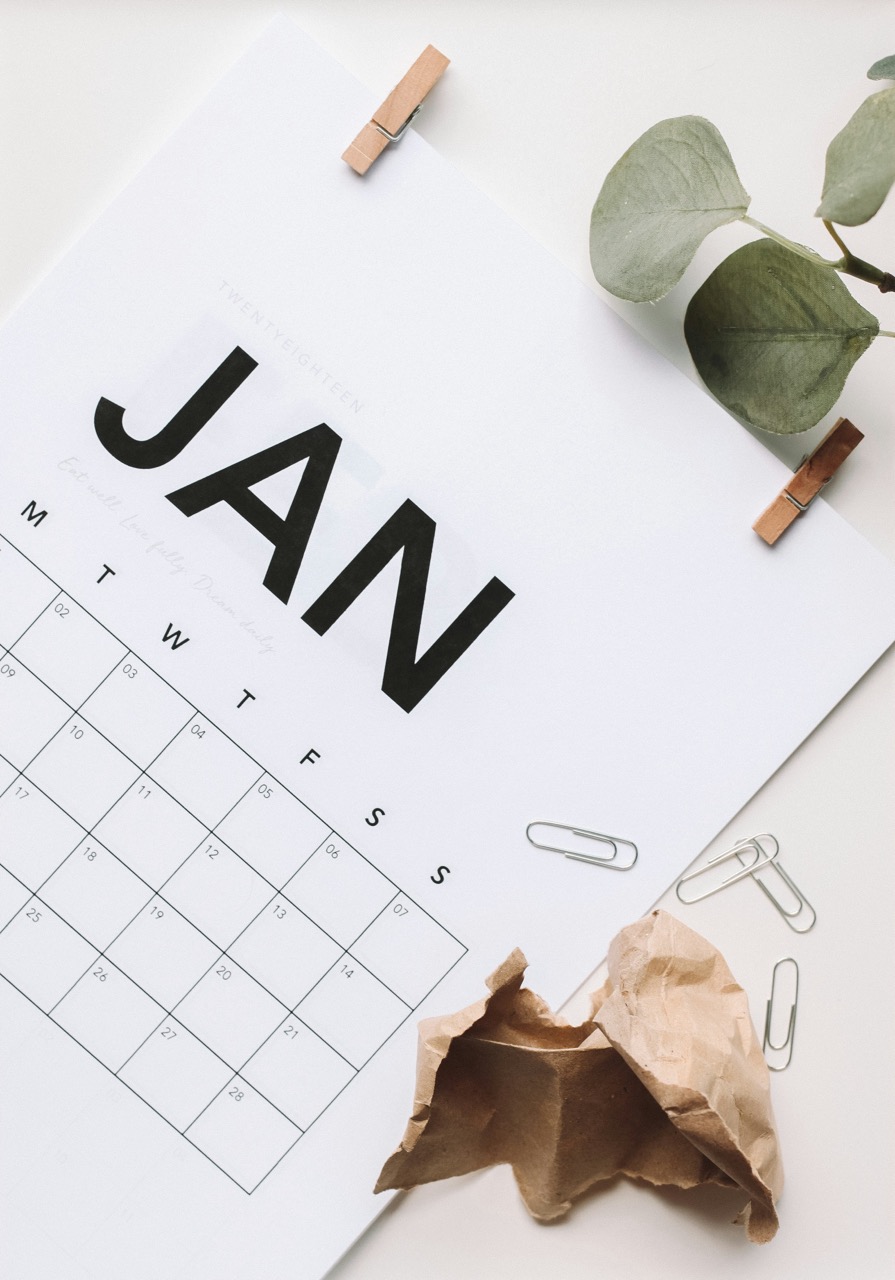





Calendars play a crucial role in shaping the cultural landscape of societies around the world. They serve as a systematic way to mark the passage of time, influencing everything from agricultural practices to religious observances. The structure of a calendar often dictates when festivals and celebrations occur, weaving them into the fabric of a community’s identity. This article explores how calendars influence cultural celebrations, highlighting the interconnectedness of timekeeping and tradition.
The Role of Calendars in Shaping Cultural Traditions
Calendars are not merely tools for tracking days; they embody the values and beliefs of a culture. Different societies have developed various calendars that reflect their geographical, historical, and social contexts. For example, the Gregorian calendar, widely used today, has its roots in Christian traditions, celebrating events such as Christmas and Easter on specific dates. Similarly, lunar calendars, used in many Asian cultures, mark significant occasions based on the phases of the moon, emphasizing the relationship between nature and spirituality.
The structure of a calendar can also dictate the rhythm of daily life. In agricultural societies, for instance, the planting and harvest seasons are crucial events that shape community calendars. Celebrations such as harvest festivals not only mark the end of a season but also serve as communal gatherings that reinforce social ties. By organizing time in this way, calendars provide a framework for both individual and collective cultural expressions.
Moreover, calendars often reflect broader historical narratives, capturing significant events that have shaped a community’s identity. National holidays may commemorate historical moments, such as Independence Day in the United States, while other celebrations may emerge from local stories and traditions. In this way, calendars become a living archive of a culture’s heritage, encapsulating its journey through time.
Key Festivals Linked to Specific Dates and Seasons
Many festivals around the world have designated dates that correspond to specific seasons or astronomical events. For instance, Diwali, the Hindu festival of lights, is celebrated on the new moon night of the month of Kartika, usually falling in October or November. The timing of this festival is significant; it symbolizes the victory of light over darkness and is tied to the agricultural cycle, as it occurs after the harvest season.
Similarly, the Spring Festival, or Chinese New Year, aligns with the lunar calendar. This celebration, which usually occurs between January 21 and February 20, marks the arrival of spring and is steeped in traditions that promote renewal and prosperity. Families engage in various customs, including cleaning their homes and feasting on symbolic foods, reinforcing cultural values of unity and hope for the future.
Seasons often dictate the nature of these celebrations, influencing everything from food to attire. In many cultures, summer festivals celebrate abundance, while winter holidays may evoke themes of reflection and warmth. This seasonal connection enriches the experience of cultural celebrations, making them deeply resonant with the natural world.
Diverse Calendar Systems and Their Unique Celebrations
Different cultures utilize distinct calendar systems, each leading to unique celebratory practices. The Islamic calendar, for example, is lunar and consists of 12 months, with Ramadan being one of its most significant observances. The timing of Ramadan shifts annually, leading to different experiences and adaptations in various geographical contexts. As a month of fasting, reflection, and community, Ramadan’s influence permeates the cultural practices of Muslim communities worldwide.
The Hebrew calendar, another lunar-based system, marks significant Jewish holidays such as Passover and Yom Kippur. The dates of these celebrations depend on the lunar cycle, resulting in variations in their occurrence each year on the Gregorian calendar. These holidays often incorporate themes of liberation and atonement, reflecting the historical experiences of the Jewish people.
Indigenous cultures also contribute to the rich tapestry of calendar systems. Many Native American tribes maintain calendars that are closely aligned with the cycles of nature, emphasizing harmony with the environment. Their celebrations often involve rituals that mark seasonal changes, fostering a deep sense of connection to the land and heritage.
How Modern Changes Affect Traditional Festivities Today
In an increasingly globalized world, traditional celebrations are often influenced by modern changes that can either enrich or dilute their significance. Technology has made it easier for communities to connect and share their cultural festivities, facilitating cross-cultural exchanges. Social media platforms allow for the global celebration of festivals, as people share their traditions and experiences, creating a sense of solidarity across distances.
However, this ease of sharing can also lead to the commercialization of cultural celebrations. Traditional practices may be adapted or altered to appeal to broader audiences, sometimes stripping them of their original meanings. For instance, the commercialization of Christmas in Western societies often emphasizes consumerism over its religious significance, leading to debates about the true essence of the holiday.
Moreover, urbanization can impact how traditions are practiced. In bustling cities, the way festivals are celebrated may shift due to practical constraints, leading to abbreviated or altered versions of traditional observances. As communities adapt to modern lifestyles, the challenge lies in preserving the core values and meanings of cultural celebrations while embracing necessary changes.
Calendars undeniably influence cultural celebrations, weaving timekeeping into the heart of community identity and tradition. They serve as a foundation for the rituals and gatherings that connect people to their heritage and each other. The interplay between different calendar systems and the effects of modernity challenge communities to navigate the preservation of their unique customs while adapting to the ever-evolving nature of society. As we continue to celebrate our diverse cultures, acknowledging the role of calendars will enrich our understanding of these vibrant traditions.