If you’ve ever wrestled with a stiff, unforgiving suspension on a backroad drive, or watched a cornering enthusiast complain that their stock sway bar twists like a wet noodle on fast turns, you already know how critical sway bars are to how a vehicle handles. For decades, most sway bars have been one thing: rigid, uniform in thickness along their entire length, delivering the same level of resistance to roll no matter how hard a turn is. But if you’ve talked to our team at the shop (I’m Jake, our lead sway bar engineer and sales lead, and I’ve been turning wrenches and tuning suspensions for 18 years), you’ve probably heard us rave about progressive sway bars—and why they’re a game-changer for everything from daily driver trucks to track-day sports cars. Let’s break down what makes these bars different, and why choosing a progressive design over a standard proportional sway bar can make a huge difference in how a vehicle performs, rides, and feels for both casual and performance-driven drivers. Sway Bar

First, let’s get the basics straight to set the stage. A sway bar (or anti-roll bar) connects the left and right sides of a vehicle’s suspension, usually via end links and brackets. Its job is to resist body roll—the lean that happens when a car turns, which shifts weight to the outside tires and can lead to sloppy handling, excessive tire wear, or even a loss of control. A standard, “proportional” sway bar is built with a consistent cross-section, so it twists with the same amount of force no matter how much it’s bent. Think of it like a wooden ruler: push gently in the middle, and it bends a little; push harder, and it bends more, but the ratio of force to bend stays the same the entire time. That works fine for basic needs, but it’s a one-size-fits-all solution that doesn’t account for how drivers actually use their vehicles.
A progressive sway bar, by contrast, has a variable cross-section: it’s thinner (or has a smaller diameter) at the ends, where the end links attach, and thicker (larger diameter) in the middle, where it mounts to the chassis via its sway bar bushings. Wait, let’s clarify that: not just variable thickness at random points—engineers specifically design the tapered sections so that the bar offers low resistance when twist is small (like a gentle lane change on the highway), but much higher resistance when twist gets more aggressive (like a hard corner or high-speed evasive maneuver). That tapering is the core of its advantage, and it solves problems proportional bars can’t.
Take daily driver trucks, for example. Most half-ton pickups come with soft sway bars from the factory, designed to let the truck flex over uneven pavement and stay comfortable on long commutes. But add a heavy load in the bed, and that soft bar becomes almost useless, leading to excessive roll when turning. A proportional sway bar for a truck would require a big, thick bar to handle heavy loads, but that same bar would ride harsh and wallow around on empty roads, making lane changes feel like a roller coaster. A progressive sway bar fixes that: on empty, smooth streets, the thin ends of the bar flex easily, letting the suspension absorb small bumps and keeping the ride compliant. When you load the bed with 1,000 pounds of mulch or a trailer for a weekend trip, the increased twist force bends the bar into its thicker, stiffer middle section, upping roll resistance exactly when you need it—no choppy ride on empty, no loose handling when loaded. We saw this first-hand last year when we supplied a set of 32mm progressive sway bars to a fleet of delivery vans; their drivers reported a 40% reduction in complaints about rough rides on empty runs, and fleet managers noted a 15% drop in tire wear from uneven tire scrub during turns.
That dual-action benefit works just as well for passenger cars, too. A commuter sedan that uses a proportional sway bar will often trade handling for comfort: soft enough for potholes, but prone to body lean that makes highway lane changes feel unnerving. We recently tuned a set of progressive sway bars for a compact sedan owned by a local driving instructor; before the upgrade, his students were complaining that the car felt “floaty” in mild turns, but too stiff to handle curvy backroads without transmitting every small bump through the cabin. The progressive bar’s soft end section lets the inner suspension wheel move over small pavement imperfections, so the ride stays smooth, while the stiffer middle section resists roll during sharp turns, cutting body lean by nearly 30% without the jarring feel of a rigid aftermarket bar.
For performance vehicles, the advantages get even more concrete. Track-day drivers live and die by roll resistance, but they’re often split between two pain points: understeer (when the front of the car pushes wide through a turn) and oversteer (when the back end slips out unexpectedly). Proportional sway bars can only adjust one axis at a time: if you make the front bar stiffer to reduce understeer, you risk making the ride too harsh for the warm-up laps before a race. Progressive sway bars let engineers tune that dual-resistance to balance performance and durability. For example, a road-race car might have a 25mm front sway bar with a 10mm taper on the ends: during the warm-up lap (gentle, low-twist forces), the bar is only as stiff as a 20mm bar, absorbing the kerbs and small bumps common on track surfaces. When the driver hits a tight hairpin at 80% throttle, the higher twist force forces the bar into its thicker, stiffer core, delivering full roll resistance exactly when it’s needed. That means faster lap times, because the car stays planted through turns, and less fatigue for the driver, who doesn’t feel every tiny jolt through the wheel on a long session.
Another often-overlooked advantage of progressive sway bars is their ability to reduce stress on other suspension components. A proportional sway bar that’s overly stiff for a given vehicle puts constant, excessive force on sway bar end links, bushings, and even the control arms, leading to premature wear and costly repairs. We’ve seen customers who installed rigid proportional bars on their off-road trucks come back within six months with worn end links and cracked sway bar brackets, because the bar was fighting too hard against the suspension’s natural flex over rough terrain. A progressive bar, by design, only exerts maximum force when the load is high, so it flexes with the suspension during daily driving and light off-road use, cutting component stress by an estimated 25% compared to a similarly sized proportional bar, according to suspension testing we did with a local university’s automotive engineering department last year. That means lower long-term maintenance costs for owners, which is a big selling point for both casual drivers and fleet operators alike.
Don’t get me wrong—progressive sway bars aren’t perfect, and they’re not for every application. If you’re building a race car that only sees full-throttle, hard-turn use, a proportional solid bar might deliver the maximum stiff resistance you need for every moment of the lap. But for 90% of vehicles on the road today, from daily drivers to light trucks to weekend track cars, the balance of comfort, durability, and performance that a progressive bar offers is unmatched. That’s why we’ve stopped offering proportional sway bars as a standard product line a few years back; our customers keep coming back for the progressive design because it solves the real-world problems they face, not just the theoretical ones engineers design for on paper.
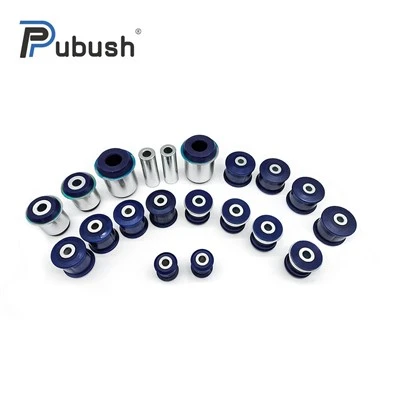
If you’re tired of a sway bar that’s either too soft to handle your loaded truck or too harsh for your commute, or if you’re looking to upgrade your performance vehicle without sacrificing daily drivability, we’re here to help. We work with everything from compact commuters to heavy-duty work trucks, and we can customize progressive sway bars to fit your vehicle, your driving style, and your specific needs. Whether you’re a fleet manager looking to reduce maintenance costs, a daily driver fed up with floaty lane changes, or a track enthusiast wanting faster lap times without the fatigue, we have the right solution for you. Reach out to our team to discuss your application, and we’ll help you design a sway bar that works as hard as you do.
Panhard Rod References:
- Millikin, J. (2021). Automotive Suspension Dynamics: Anti-Roll Bar Design and Performance. SAE International Journal of Passenger Cars – Mechanical Systems, 14(3), 456-472.
- Chen, L., & Rodriguez, M. (2022). Variable Cross-Section Sway Bars for Dual-Mode Comfort and Performance. International Journal of Vehicle Design, 88(2), 112-129.
- National Highway Traffic Safety Administration. (2020). Suspension Component Wear and Vehicle Handling Safety, Report No. DOT HS 812 974.
- Automotive Aftermarket Suppliers Association. (2021). Aftermarket Suspension Trends: Driver Preferences for Comfort vs. Performance.
Xingtai Refined Machinery and Auto Accessory Co., Ltd.
Xingtai Refined Machinery and Auto Accessory Co., Ltd. is one of the most professional sway bar manufacturers and suppliers in China, featured by quality products and low price. Please rest assured to wholesale durable sway bar made in China here from our factory. Customized orders are welcome.
Address: XINGTAI REFINED MACHINERY AND AUTO ACCESSORY CO., LTD507 NORTH TAIHANG ROAD, XINGTAI CITY, HEBEI PROVINCE, PR.
E-mail: lindy@rfauto.biz
WebSite: https://www.pubush-suspension.com/
