As a supplier of infeed machines, I’ve witnessed firsthand the critical importance of corrosion resistance in these industrial workhorses. In the demanding environments where infeed machines operate, corrosion can significantly impact performance, longevity, and overall cost – effectiveness. In this blog, I’ll delve into what corrosion resistance means for infeed machines, why it matters, and how our products are engineered to withstand the test of time. Infeed Machine
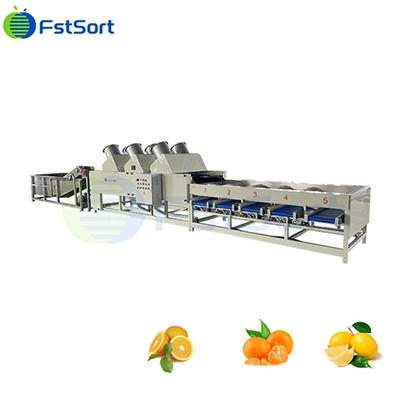
Understanding Corrosion and Its Impact on Infeed Machines
Corrosion is a natural process where metals react with their environment, usually oxygen and moisture, to form metal oxides. For infeed machines, which are often made of various metals such as steel and aluminum, this can lead to rusting, pitting, and structural degradation. In industrial settings, factors like humidity, chemical exposure, and abrasive materials accelerate the corrosion process.
When an infeed machine succumbs to corrosion, it faces several operational challenges. Firstly, the mechanical components can become jammed or worn down more quickly, leading to decreased efficiency. For example, a corroded conveyor belt roller may not rotate smoothly, causing uneven material flow and potentially damaging the conveyor belt itself. This not only reduces the productivity of the infeed machine but also increases the likelihood of breakdowns.
Secondly, safety can be compromised. Corrosion – weakened parts are more prone to failure, and in a high – speed industrial environment, a sudden component failure can lead to serious accidents. For instance, a corroded support structure could collapse, endangering machine operators.
The Significance of Corrosion Resistance
Long – Term Durability
A corrosion – resistant infeed machine is built to last. By inhibiting the corrosion process, we ensure that the machine maintains its structural integrity over an extended period. This means fewer replacements and less downtime for repairs, translating into significant cost savings for our customers.
Reliable Performance
Corrosion – resistant materials are less likely to degrade, which means that the machine can perform at its optimal level consistently. This is crucial in industries where precision and reliability are paramount, such as food processing and pharmaceutical manufacturing. In these sectors, any deviation in the infeed process can lead to product quality issues.
Reduced Maintenance Costs
When a machine is resistant to corrosion, it requires less frequent maintenance. There’s no need for constant cleaning, rust removal, or replacement of corroded parts. This not only saves money but also allows our customers to focus on their core business activities without being overly burdened by equipment upkeep.
How Our Infeed Machines Achieve Corrosion Resistance
High – Quality Materials Selection
We start by selecting the best materials for our infeed machines. Stainless steel is a popular choice due to its excellent corrosion – resistant properties. It contains chromium, which forms a thin, self – healing oxide layer on the surface of the metal, protecting it from further oxidation. We also use high – grade aluminum alloys in parts where weight reduction is necessary without sacrificing corrosion resistance.
Advanced Surface Treatments
In addition to using corrosion – resistant materials, we apply advanced surface treatments to enhance protection. Powder coating, for example, provides a durable, protective layer that shields the metal from environmental factors. This not only improves corrosion resistance but also gives the machine a professional and aesthetically pleasing appearance.
Another treatment we use is galvanization. By coating the metal with a layer of zinc, we create a sacrificial barrier that corrodes before the underlying metal. Galvanized components can withstand harsh conditions and prolong the lifespan of the infeed machine.
Design for Corrosion Prevention
Our infeed machines are designed with corrosion prevention in mind. We pay attention to details such as drainage holes and proper ventilation to prevent the accumulation of moisture. By ensuring that water can easily drain away and air can circulate freely, we minimize the conditions that promote corrosion.
Real – World Examples of Our Infeed Machines’ Corrosion Resistance
We have numerous success stories where our corrosion – resistant infeed machines have thrived in challenging environments. One of our customers in the chemical processing industry installed our infeed machines in a highly corrosive plant. Despite being exposed to various chemicals and high humidity levels, the machines have been operating smoothly for several years with minimal maintenance.
In the food and beverage industry, hygiene and corrosion resistance are equally important. Our infeed machines, made with food – grade stainless steel and corrosion – resistant coatings, have met the strictest industry standards. They can withstand frequent cleaning with harsh detergents and still maintain their structural and functional integrity.
Factors to Consider When Evaluating Corrosion Resistance in Infeed Machines
Environment
The first factor to consider is the operating environment of the infeed machine. If it will be used in a marine environment, for example, it will face saltwater exposure, which is highly corrosive. In contrast, a machine used in a dry, indoor environment may require less robust corrosion protection.
Chemical Exposure
Industries that involve working with chemicals, such as the pharmaceutical or chemical manufacturing sectors, need infeed machines that can resist chemical corrosion. Our machines can be customized with appropriate materials and coatings to handle specific chemical exposures.
Maintenance Practices
Proper maintenance also plays a crucial role in maximizing corrosion resistance. We provide comprehensive maintenance guidelines to our customers, which include regular inspections, cleaning, and lubrication. By following these guidelines, customers can ensure the long – term performance of their infeed machines.
Conclusion
Corrosion resistance is a fundamental characteristic of a high – quality infeed machine. It not only determines the machine’s longevity and reliability but also impacts operational costs and safety. At our company, we are committed to engineering infeed machines with the highest standards of corrosion resistance. We use the latest materials, surface treatments, and design techniques to ensure that our machines can withstand the most challenging environments.

If you’re in the market for an infeed machine and are concerned about corrosion resistance, we’d love to talk to you. Our team of experts can provide detailed information about our products, help you choose the right machine for your needs, and answer any questions you may have. Contact us today to start a discussion about your infeed machine requirements.
References
Packing Machine -ASM Handbook Committee. (2000). ASM Handbook Volume 13A: Corrosion: Fundamentals, Testing, and Protection. ASM International.
-Schweitzer, P. A. (2007). Corrosion Resistance Tables, Fourth Edition. McGraw – Hill Professional.
Zhengzhou First Industry Co., Ltd.
As one of the most professional infeed machine manufacturers in China, we also support customized service. With abundant experience, we warmly welcome you to buy cheap infeed machine from our factory. For price consultation, contact us.
Address: No.72,11th Floor, Building 11, No.283 West Third Ring Road, High-tech Industrial Development Zone, Zhengzhou City, Henan Province
E-mail: media@fruitprocess.com
WebSite: https://www.fstsort-machine.com/
