If you’ve ever stood on a job site watching my team load a custom distribution chamber we manufactured, I know the first question that pops into your head isn’t “how often do I grease the valve?” — it’s “how often do I even look at this thing to make sure it’s not failing?” As someone who’s been selling these concrete or precast workhorses for 12 years (I started in the shop cutting rebar, now I oversee all our field support checks), I get it. Distribution chambers aren’t the flashiest piece of infrastructure — they hide underground, hold sewage or stormwater, and most folks forget they exist until something clogs or overflows. But here’s the thing: when they do fail, it’s not just a hassle. It’s a street closed for weeks, a home with a sewage backup, thousands in repair costs that could’ve been totally avoided with simple inspections. Distribution Chamber
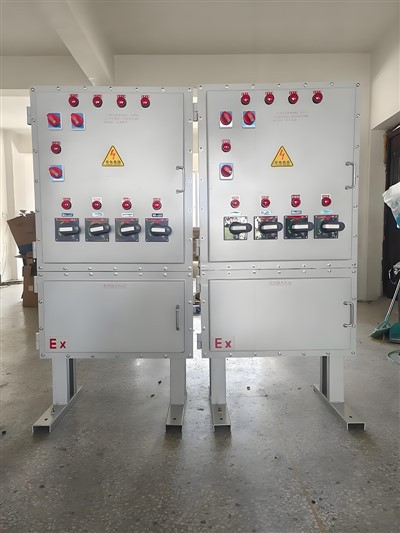
Let’s break this down by context, not a one-size-fits-all number. When a client first calls me with a question about inspection frequency, the first thing I ask isn’t “how old is your system?” — it’s “what’s your chamber handling, and where is it located?” That determines everything. I’ve seen brand new chambers, installed last month, already needing a deep clean because the line feeding it has a high concentration of FOG (fats, oils, grease) from a local diner. I’ve also seen chambers in residential areas with zero commercial output that still ran smoothly for 25 years with just annual checks. So there’s no hard rule, but there are science-backed guidelines we share with every client, along with our field inspection services that we offer to anyone using our products.
First, let’s start with the basics of what a distribution chamber does, because if you don’t know its job, you don’t know what to inspect. A distribution chamber splits flow from a single main sewer line into multiple smaller laterals — think of it as a traffic circle for wastewater. For residential areas, that might mean splitting flow to 4 or 6 homes; for a commercial strip mall, it might split to 12 storefronts, plus a grease trap outflow. That means it needs to stay free of debris, so flow is even — if one lateral gets clogged, you get backups in multiple properties, not just one. It also needs its structural walls intact, no cracks from settling or heavy equipment driving over it, and its inlet/outlet connections sealed so water doesn’t leak into the surrounding soil (which can cause sinkholes or contaminate groundwater).
Now, let’s get to the frequency, starting with the most common scenarios our clients face.
Residential-only systems: These are the ones that serve single-family homes, no restaurants, no grocery stores with deli departments, no laundromats dumping lint. I’d recommend a visual inspection every 3 years, and a more detailed camera inspection every 5 years. Wait, why not longer? Even in residential areas, you have tree roots that can push into pipe connections over time, small amounts of FOG from home cooking that builds up slowly, and ground settlement as the soil compacts after installation. A few years back, we had a client in a quiet suburb call us because two adjacent homes had sewer backups. We sent a technician with our portable inspection camera, dropped it into the chamber, and found a 2-inch crack in the wall that had been growing slowly — the residential inspector before only did a surface check, which missed the crack because it was hidden by sediment. If he’d done a camera inspection, he could’ve sealed it for a few hundred dollars instead of replacing the entire chamber for $12,000. Camera inspections are non-invasive too, so no digging up the whole yard — we just gain access through the chamber’s manhole cover.
Mixed-use or commercial residential systems: This is where inspection frequency jumps, and it’s not just because of FOG. If you have a line feeding a diner, a dry cleaner, or an office building with a big kitchen, you’re dealing with higher volumes of solids and viscous materials. Here, I tell clients to do a visual check every year, and a full camera and flow test every 2 years. Last year, we worked with a property management company for a 10-building complex with ground-floor retail. Their on-site maintenance team was doing annual visual checks, but they weren’t testing flow. During our routine flow test, we discovered that one lateral was carrying 30% more flow than the others — which meant the chamber wasn’t splitting the load evenly, putting unnecessary strain on the line leading to the main sewer. We cleaned the chamber’s baffles (the internal walls that split flow) and adjusted the slope of the laterals, and that complex hasn’t had a backup since. If they’d waited 3 more years like the suburb clients, that overloaded line would’ve collapsed, taking half the complex’s system with it.
Industrial systems: Now, these are the ones that need the most frequent checks, and it’s not just overkill — it’s required by EPA regulations in most areas. Industrial facilities (manufacturing plants, food processing plants, pharmaceutical facilities) often have wastewater with chemicals, heavy solids, or oils that can corrode concrete or clog lines faster. For these, I recommend a visual inspection every 6 months, a camera inspection every 12 months, and a full load test every 2 years. I once had a client who runs a local bread factory; they thought their chamber was fine until our technician noticed pitting on the concrete walls from yeast buildup, which is acidic over time. If they’d waited another year, that pitting would’ve eaten through the wall, and we would’ve had to replace the whole chamber instead of doing a quick concrete repair and adding a enzymatic cleaner to break down yeast deposits. Industrial clients also have to report their wastewater discharge to the state, so missed inspections can lead to fines — that’s a big one I always flag for anyone in that space.
Then there’s the wild card: old vs. new chambers. Wait, our chambers are built to last 50+ years, right? But even a new chamber can have hidden defects from manufacturing or installation. I always tell new clients to do a baseline camera inspection 6 months after installation, even if you don’t notice any issues. That way, you have a point of reference for future inspections — if a crack shows up on the 1-year inspection, you know it’s settling, not a factory defect. For chambers over 20 years old, regardless of use, I bump the inspection frequency up: residential gets a camera check every 3 years, commercial every 18 months, industrial every 9 months. Older concrete can degrade from ground moisture, tree root pressure, and temperature changes — I’ve seen a 22-year-old chamber in a small town develop a leak under a sidewalk that caused the sidewalk to sink, tripping a pedestrian. An annual visual check would’ve caught that leak before it became a hazard.
Now, what are the signs you should inspect your chamber right now, no matter what your schedule says? I don’t want clients waiting for their scheduled check if they see any of these: slow drains in multiple homes on the line, sewage odors coming from manhole covers or the ground near the chamber, standing water in the yard that wasn’t there before, or backups during heavy rain. Last spring, we had a call from a neighborhood where it had rained 5 inches in 24 hours. A resident noticed sewage bubbling up from a manhole, so we sent a tech out that day. We found that a tree root had grown through an outlet pipe, completely blocking flow. If that had waited for the next annual check, the entire neighborhood would’ve had backups, and the main sewer line might’ve overflowed into the nearby creek — that’s a environmental violation, too.
Here’s something most people don’t know: not all inspections are the same. A visual check where someone just lifts the manhole cover and looks down will only catch surface-level issues. A camera inspection lets you see the inside of the walls, the baffles, the inlet/outlet connections, and even measure the amount of sediment buildup. Sediment is a big one — over time, solids build up in the bottom of the chamber, reducing the space for flow, so even if the pipes aren’t clogged, the chamber can cause backups. Our inspection process includes a sediment level test, so we can tell you when you need a cleanout, not just a visual.
As a manufacturer, I also have a stake in making sure our products last as long as possible. I’ve seen clients cut corners on inspections, and they end up costing themselves way more than they would’ve spent on regular checks. We offer discounted inspection services to clients who buy our chambers, because we want them to succeed. But I also work with clients who bought chambers from other brands, because I know even the best product needs care. No matter who made your distribution chamber, following a consistent inspection schedule is non-negotiable.
Wait, let’s talk about budget for a second. I know some clients think, “inspections are an added cost.” But let’s do the math: a basic visual inspection costs around $200, a camera inspection is $500, a full flow test is $800. The average repair for a distribution chamber that’s failed is $10,000, and a full replacement is $25,000+. That’s a huge difference. I had a client a few years back who skipped inspections for 8 years; his chamber’s baffles had completely broken off, so flow was going in all the wrong directions, and his whole subdivision had backups during rain. He spent $30,000 to replace the chamber, plus $5,000 in fines from the county for the sewage overflow. If he’d done annual inspections, he would’ve paid less than $5,000 over 8 years, and avoided all the headaches.
Also, don’t forget about accessibility. If your chamber is under a heavy road, or in a low-lying area that floods often, you’ll need more frequent inspections, because water pressure and vehicle weight can damage the structure faster. I’ve worked with a city that has a chamber under a busy downtown street; we do bi-annual camera inspections, because heavy trucks drive over it every day, and ground settlement is more common in that area. That city’s avoided 3 road closures for chamber repairs in the last 5 years, all because they stuck to the extra inspection schedule.
What about regulations? Most municipalities have requirements for sewer infrastructure inspections, but they vary. Some only require inspections when you’re selling a property, or when you’re doing a renovation, but it’s always better to do your own regular checks to avoid fines. We keep a list of local requirements for our clients, so they don’t have to dig through city websites. If you’re in an area with strict environmental rules, like near a lake or a river, inspections are even more important — a leaky chamber can contaminate the water source, leading to fines that run into six figures.
At the end of the day, distribution chambers are the unsung heroes of wastewater infrastructure. They don’t make the news, but they keep neighborhoods running, homes working, and the environment clean. The key to keeping them working for decades is simple: a consistent, context-specific inspection schedule, paired with prompt repairs when issues are found. No more guessing, no more waiting for something to break.
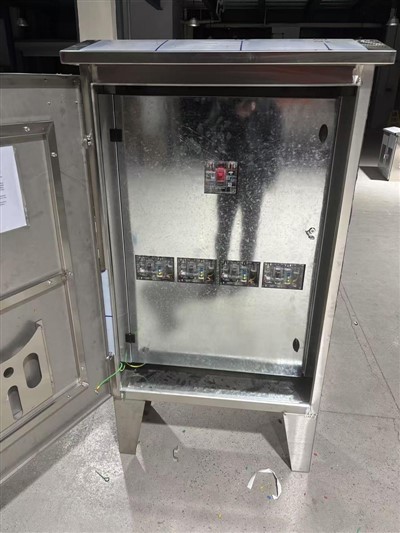
If you’re not sure what your chamber needs, or if you want to set up a regular inspection and maintenance plan, don’t hesitate to reach out. We work with residential property owners, commercial property managers, industrial facilities, and municipal governments, and we can tailor a plan that fits your needs and your budget. Whether you bought a chamber from us or another manufacturer, our team can inspect it, test it, and give you honest advice on how to keep it running for years to come. Don’t wait until you have a backup or a leak — take care of your distribution chamber, and it’ll take care of you.
Distribution Cabinet References
- American Society of Civil Engineers (ASCE). 2021 Report Card for America’s Infrastructure: Wastewater.
- U.S. Environmental Protection Agency (EPA). 2019. Inspection and Maintenance Guidelines for Municipal Sewer Collection Systems.
- National Association of Clean Water Agencies (NACWA). 2020. Best Practices for Collection System Infrastructure Inspections.
- Concrete Pipe & Precast Products Association (CPPA). 2018. Design and Maintenance Guidelines for Precast Distribution Chambers.
- International Association of Plumbing and Mechanical Officials (IAPMO). 2022. Sewer Inspection and Maintenance Standards.
Anhui Nanxian Electric Co., Ltd.
With abundant experience, we are one of the most professional distribution chamber manufacturers and suppliers in China. We warmly welcome you to buy advanced distribution chamber for sale here and get quotation from our factory. All customized products are with high quality and low price.
Address: Factory Unit 03-2, Building 21, Feidong Yinfeng Industrial Park Co., Ltd., Northeast Corner of Manquan Road and Changle Road, Hefei Circular Economy Demonstration Park, Feidong County, Hefei City, Anhui Province.
E-mail: 541580567@qq.com
WebSite: https://www.nxelepower.com/
