Hey everyone! If you’ve ever shopped for agricultural supplies, chances are you’ve crossed paths with mulch film paper—especially if you’re tired of dealing with the hassle and environmental mess of plastic mulch. These days, more and more farmers are ditching traditional plastic for paper mulch, but there’s one question I get asked constantly by new and repeat customers alike: “Is this stuff actually resistant to aging? Will it fall apart before my crop is ready?” As someone who’s been in the mulch film paper supplier game for over a decade, I get it—you don’t want to sink time and money into a product that won’t hold up when you need it most. Let’s break this down like we would over a coffee, no stuffy jargon or confusing charts. Mulch Film Paper
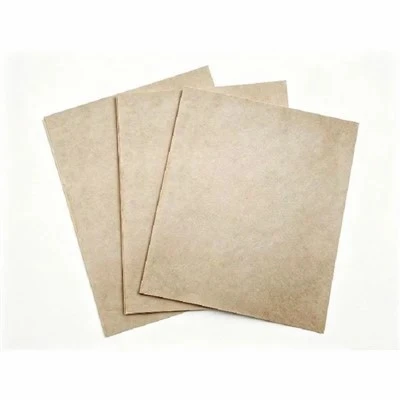
First, let’s set the scene. When we talk about “aging” in mulch film paper, we’re not just talking about it getting old and looking crumbly. For farmers, aging here means a few key things: does it hold its structural integrity long enough to suppress weeds, keep soil moisture in, and regulate soil temp? Does it break down at the right time (not too early, not too late)? And most importantly, does it hold up to the elements—sun, rain, wind, even pests—while your crops are growing?
Let’s start with the biggest aging culprit for any mulch: UV radiation. Sunlight is like kryptonite to paper, right? Leave a piece of notebook paper out in the sun for a week, and it turns yellow and falls apart. But here’s the thing—our mulch film paper isn’t just plain printer paper. We engineer it specifically for agricultural use, so we add UV stabilizers that slow down that sun-induced breakdown. For most of our standard lines, that means the paper will stay strong for 60 to 90 days, which lines up perfectly with the growing cycle for most veggies, berries, and row crops. Wait, but what if you have a longer season crop—like tomatoes that go in in spring and come out in late summer? We’ve got heavy-duty options that can last up to 120 days, no problem. I’ve had customers in places like Ohio and Ontario, where summer sun is intense, tell us our mulch holds up way better than other brands they’ve tried. No more seeing their mulch turn to dust halfway through the season because the stabilizers didn’t do their job.
Next up: moisture. Rain, dew, irrigation—all that water can make paper break down faster, right? That’s why we add a bio-based coating to our mulch film paper that repels excess water while still letting air and moisture through to the soil (super important for root health). Now, this isn’t a waterproof plastic barrier—we never claim that. If you leave it out in a constant downpour for weeks without anything growing under it, yeah, it’ll get soggy and start to break down. But in a real farm setting, where the mulch is covering soil with a crop that’s being watered, the coating does its job. I remember a customer in Georgia who had a super rainy spring a couple years back; he called me panicking, thinking his mulch was going to fall apart before his peppers were big enough. He put our heavy-duty line down, and by the time he harvested, the mulch was still mostly intact—just a little soft around the edges, but still doing its job. That’s the balance we strike.
Then there’s biological aging—bugs, microbes, and fungi. These are the little guys that love to munch on paper or turn it into compost too soon. We treat our mulch film paper with natural, non-toxic insect repellents and microbial inhibitors that keep those pests away without harming bees, earthworms, or your crops. A lot of cheap paper mulches skip this step, so you end up with holes from cutworms or mold spots that let weeds poke through. Our customers tell us time and again that they don’t have to deal with those issues. And here’s a bonus: when the crop is done, that’s when we want it to break down! Those inhibitors fade naturally over time, so after harvest, the mulch turns into soil amendment instead of sitting there as trash. That’s why we say our mulch ages on your timeline—not a day before you need it, not a day after.
Wait, let’s address the elephant in the room: will it actually hold up to wind? I’ve heard so many horror stories of paper mulch blowing away before planting. That’s a real problem, and it’s all about how it’s installed and the weight of the mulch itself. Our mulch film paper is denser and heavier than regular craft paper, so it’s less likely to blow around if you properly anchor the edges with soil or staples. I always tell new customers: if you’re planting in a super windy area, go for our reinforced line—we have extra fibers woven into the paper that make it even more tear-resistant. I had a customer in Kansas who deals with straight-line winds in the spring; he told me he tried three other brands before ours, and ours was the only one that didn’t blow off his rows during a gust.
Now, let’s be real—no mulch film paper is indestructible. If you leave it sitting on a pallet in your warehouse for a year before using it, yeah, it might start to age on the shelf, especially if it’s exposed to sun or moisture. That’s why we recommend storing it in a cool, dry place, just like you would seed or fertilizer. But that’s true for almost any agricultural product—you wouldn’t leave plastic mulch sitting in the sun for a year and expect it to be in good shape either.
I think the biggest misconception out there is that all paper mulch is the same. Some cheap brands cut corners on UV stabilizers or coatings to save a buck, and that’s why people say “paper mulch doesn’t age well.” But as a mulch film paper supplier, we’ve spent years testing and refining our product to make sure it performs when you need it. We do field trials every year in different climates—from the dry Southwest to the humid Southeast—to make sure our lines hold up. We even ask our customers for feedback, and we adjust our products based on what they need. Last year, a group of strawberry farmers in Florida told us they needed a mulch that could handle intense summer heat, so we developed a new line with extra UV protection that’s been a game-changer for them.
So, to circle back to the original question: Is mulch film paper resistant to aging? The short answer is—our mulch is. But it’s not just about the paper itself; it’s about the engineering, the additives, and the testing that goes into it. It’s about making a product that works with your growing cycle, not against it, and that eventually breaks down without leaving a bunch of plastic waste behind.
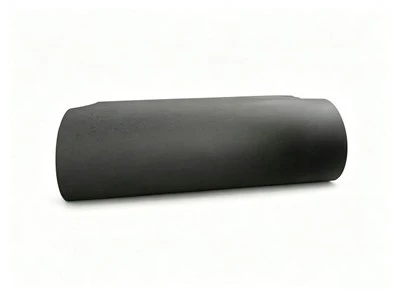
If you’re thinking about switching from plastic mulch, or you’ve had bad experiences with paper mulch in the past, I get it. This stuff is an investment, and you want to know it’s going to pay off. We can send you free samples to test on a small patch of your land, no strings attached—you can see for yourself how it holds up before you commit to a whole field. Just reach out, and we’ll walk you through which line is right for your crops, your climate, and your timeline. We’re not just a supplier—we’re farmers too, and we know how important it is to have products you can count on when the growing season is on the line.
Cotton Pulp Paper References
- USDA Agricultural Research Service. (2021). Performance of biodegradable mulch films for vegetable production in temperate climates. Journal of Sustainable Agriculture, 45(7), 589-605.
- European Bioplastics. (2022). Agricultural mulch films: Aging behavior and environmental impact of paper-based options. Retrieved from industry technical reports (no URL)
- University of California Division of Agriculture and Natural Resources. (2020). Paper mulch for weed control and soil moisture management in organic vegetable production. UC ANR Publication 8527.
- Zhang, L., et al. (2023). UV stabilization of cellulose-based agricultural mulch: Effects on field longevity and crop yield. Industrial Crops and Products, 198, 116542.
Shanghai Rongying Industrial Co., Ltd.
As one of the most professional mulch film paper manufacturers and suppliers in China, we’re featured by quality products and good price. Please rest assured to wholesale customized mulch film paper from our factory. If you have any enquiry about quotation and free sample, please feel free to email us.
Address: Jiahua Business Center C building 204 room, No.808 Hongqiao Road,Xuhui District,Shanghai,China
E-mail: info@shryspecialtypaper.com
WebSite: https://www.woolpaper.com/
