Hey everyone, Foam Tape
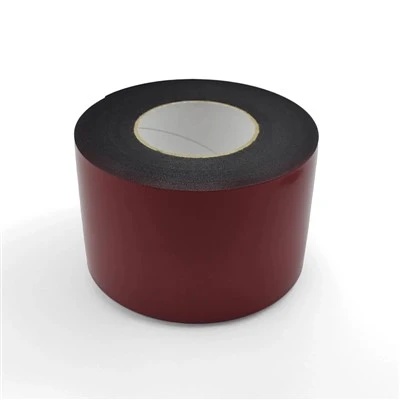
Let’s cut to the chase – if you’ve ever found yourself staring at a concrete surface, wondering how the heck a piece of foam tape could stick there long enough to hold up that shelf, seal a drafty window trim, or keep patio cushions from sliding, you’re not alone. I’m the guy who’s been selling foam tape for years, and let me tell you, this isn’t just some random magic trick. There’s actual science behind how this stuff grabs onto concrete – and it’s way cooler than you’d think. Plus, I’ve seen so many folks mess this up (like that last customer who tried to peel their tape off concrete after a week because they skipped the prep step and swore our product was junk – oops). So today, I’m breaking this down real, no-BS style, no stuffy jargon, just what you need to know about foam tape and concrete, straight from someone who lives and breathes this stuff.
First off, let’s get one thing straight: not all foam tape is created equal. I know, I know, you’ve probably grabbed a random roll from the hardware store for a quick fix, and it’s either fell off in a day or won’t budge when you try to pull it. That’s because the kind that works on concrete is a specific type – usually closed-cell polyethylene or acrylic foam, with a super strong pressure-sensitive adhesive (PSA) on both sides. Wait, PSA is just fancy talk for “sticky stuff that needs pressure to work,” right? Yeah, that’s it. The adhesive is the star here, but it can only do its job if concrete is ready to receive it. That’s where most people go wrong.
Concrete isn’t the smooth, even surface you might think it is. If you get a magnifying glass (or even just squint really hard), you’ll see it’s covered in tiny pits, pores, and little irregularities – we call that “micro-roughness.” Then there’s the stuff on top of it that you can’t see: dust, dirt, leftover concrete curing compound (that goopy stuff manufacturers put on new concrete to keep it from drying out too fast), maybe even old paint or sealant residue. That’s like putting a band-aid over a layer of crumbs – it’s not gonna stick. I can’t tell you how many times I’ve told customers, “If you skip prepping that concrete, don’t be shocked when your tape fails,” and they come back a month later complaining. But when you fix that surface? That’s when the science kicks in.
Here’s the big moment: how does the adhesive actually stick to that concrete? It’s not like glue that hardens and forms a bond – it’s pressure-sensitive, so it’s all about wetting out and mechanical adhesion. Wait, wetting out is just the adhesive flowing into those tiny little gaps and pores on concrete, right? Yeah, that’s exactly it. When you press the foam tape firmly onto concrete, the sticky layer squishes into all those micro-cavities, instead of sitting on top. Those little pockets of adhesive that are inside the concrete’s irregularities create a mechanical lock – like if you stuck a Lego into a tiny slot, it won’t pull out easy. That’s a huge part of the bond, but there’s more.
Then there’s the chemical interaction between the adhesive and concrete. Most of the good concrete-friendly foam tapes use acrylic or butyl-based adhesives, which aren’t just generic sticky stuff. Acrylic adhesives, for example, have molecules that can form weak chemical bonds with the mineral particles in concrete – the calcium carbonate, silica, all that stuff that makes concrete hard. It’s not a super strong bond like a weld or anything, but it adds up with that mechanical lock to create something way more durable than either could do alone. But here’s the catch: those chemical bonds can only form if there’s nothing blocking the adhesive from touching the concrete’s actual surface. That’s why prep is non-negotiable. If there’s a layer of dust or curing compound, the adhesive can’t reach those mineral particles, so you only get that weak surface stick, not the full bond.
Let’s talk about those environmental factors too, because they play a huge role in how well the tape sticks and stays stuck. Concrete is porous, so it absorbs moisture – like, if you spill a glass of water on concrete, it doesn’t just sit there, it soaks in. If you put foam tape on damp concrete, that moisture gets trapped between the adhesive and the surface, right? Over time, that moisture breaks down both the adhesive’s grip and the concrete’s surface, so the tape peels off. I always tell customers to wait at least 7 days for new concrete to fully cure and dry before putting any foam tape on it. Even old concrete can have some surface moisture, especially in basement areas or outside, so wiping it down with a dry cloth (or even a little rubbing alcohol to cut grime) before applying makes a big difference.
Temperature matters too, both when you apply the tape and after. Adhesives are way more flexible and “wet out” better when they’re warm. If it’s a freezing cold day, applying foam tape to concrete might seem fine at first, but the adhesive is stiff, so it can’t flow into those tiny concrete pores. A few hours later, when the cold lingers, the bond is weak and the tape falls off. The sweet spot? Applying it when the air temp is between 50°F and 90°F (10°C to 32°C) – that’s when the adhesive is just soft enough to work properly. And after application, letting it sit for 24 to 72 hours before putting any stress on it (like hanging something heavy) is key. That’s when the bond fully sets, not right when it sticks.
Wait, and what about the foam itself? Does that play a part? Oh totally! The foam core isn’t just a cushion – it helps distribute pressure evenly when you apply the tape. If you used a super thin, rigid adhesive strip, you’d have to press so hard in tiny spots that you miss areas, leaving gaps where air or moisture can get in. The foam is flexible, so when you roll or press it onto concrete, the whole surface of the adhesive makes contact, not just parts. That even contact is what lets the wetting out and mechanical adhesion happen across the whole tape, not just the edges. I’ve seen cheap foam tapes that have super thin, flimsy cores – they don’t press evenly, so their bond is garbage. The closed-cell foam I sell is rigid enough to hold its shape but soft enough to conform, which is exactly what you need for concrete.
Let me give you a real example that stuck with me (pun intended). A few months back, a guy reached out, panicking because he’d used a no-name foam tape to seal the baseboards in his finished basement. A week later, half the tape was peeling off, and water was seeping in. He’d skipped cleaning the concrete, just wiped it with a wet rag. I told him to grab some isopropyl alcohol, a stiff brush, and a roll of my company’s concrete-specific foam tape. He prepped right – scrubbed the concrete clean, let it dry completely, applied the tape in 50°F weather, and waited 48 hours before sealing the baseboards. A month later, he emailed me saying not only did it not peel, but it had sealed the drafts so well his heating bill went down. That’s the science working, when you do it right.
Another thing I should mention: when you need to remove it later, that’s a whole other thing, but the bond works the same way. The mechanical lock means you can’t just yank it off in one piece – you have to heat it up (with a hair dryer) to soften the adhesive, and peel it slow. If you try to yank it cold, you might take chunks of concrete with it, which is why prep also helps with removal (but that’s a side note).
So wrapping this up, how does foam tape stick to concrete? It’s a three-step process, really. First, prep the concrete to get rid of all the junk on top, exposing that micro-rough, mineral-rich surface. Second, when you apply the tape with the right pressure and temperature, the flexible adhesive wets out into those tiny concrete pores, creating a mechanical lock. Third, the adhesive forms weak chemical bonds with the concrete’s mineral particles, adding extra strength to that mechanical grip. Skip any step, and you end up with a tape that falls off.
If you’re working on a project – whether it’s hanging heavy shelves in a garage, sealing a patio gap, securing HVAC ducting, or anything else with concrete – don’t cut corners. Grab the right foam tape, prep the surface, follow those simple steps, and you won’t have to deal with a failed fix.
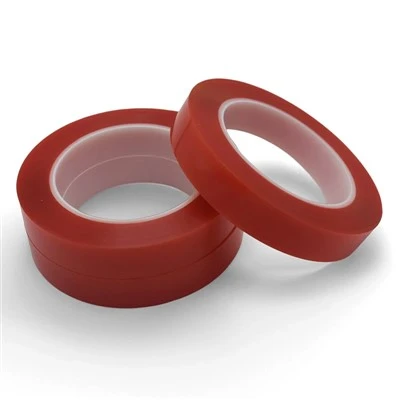
Speaking of projects, if you need a reliable foam tape that’s actually tested for concrete, hit us up to chat about your needs. We can help you pick the right type for your specific job, no pressure, just real advice from someone who’s been in the game for years. No generic junk, no fine print, just tape that actually works on concrete.
Self Adhesive Aluminium Tape References:
- Handbook of Pressure-Sensitive Adhesives and Tape, 2nd Edition, D.S. Satas (Ed.), CRC Press, 2002.
- Construction Adhesives: Technology and Applications, H. F. Huber, Smithers Rapra, 2015.
- “Surface Roughness Effects on Adhesive Bond Strength to Concrete”, Journal of Adhesion Science and Technology, Vol. 24, No. 12, 2010, pp. 1987-2002.
- “Moisture and Temperature Impacts on Foam Tape Adhesion to Porous Substrates”, International Journal of Adhesion and Adhesives, Vol. 31, No. 5, 2011, pp. 389-395.
Deqing Hongxin New Material Technology Co., Ltd.
As one of the most professional foam tape manufacturers and suppliers in China, we also support customized service. Please feel free to wholesale high quality foam tape in stock here from our factory. Welcome to contact us for quotation.
Address: No. 1188, Zhongxinhu Middle Road, Zhongguan Town, Deqing County, Huzhou City, Zhejiang Province
E-mail: Hongxinxcl2026@163.com
WebSite: https://www.hxnewmat.com/
