If you’ve ever relied on a generator to keep your business running through a power outage, or had to keep critical systems online in a remote location, you know the frustration of loud, clunky machinery that draws attention as soon as it fires up. That’s where silent type generator sets come in—they solve a huge pain point for construction sites, healthcare facilities, data centers, and even residential properties in noise-restricted areas. But what makes them silent? A big part of it is their cooling system, which works behind the scenes not just to keep the engine running, but also to manage the noise that would otherwise make these generators impossible to use in quiet spaces. As a supplier who’s been selling silent generators for over a decade, I’ve fielded hundreds of questions about their cooling systems, and let me tell you—it’s far more complex than a regular generator’s setup. Today, I’m breaking down exactly how it works, why it matters, and why cutting corners on this part of the system is a costly mistake. Silent Type Generator Set
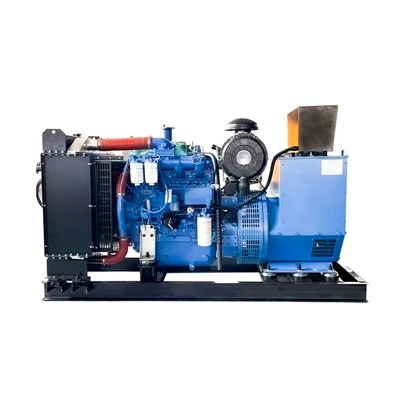
First, let’s start with the basics: any internal combustion engine—whether it’s in your car or a generator—produces a ton of heat. When fuel ignites, the explosions in the cylinders create temperatures over 2,000 degrees Fahrenheit. Without cooling, the engine would seize up in minutes, warp parts, or even catch fire. Regular open-frame generators use air cooling, where the heat just dissipates into the atmosphere, but they’re loud because that airflow also carries engine noise out into the open. Silent generators, by contrast, are enclosed in a sound-attenuated housing (the “silent” part) that traps almost all noise. That same housing, however, traps heat too—so their cooling system has to work twice as hard to keep the engine at a safe operating temperature, without letting noise escape.
There are two main types of cooling systems used in silent generator sets: liquid cooling and air cooling, but they’re not the same as what you’d find in open-frame units. Let’s dive into each, because this is where many of my competitors cut corners, and where I see customers run into problems down the line.
Liquid cooling is the most common in heavy-duty silent generators, and for good reason. It’s similar to the system in your car, but sized and designed for the extreme demands of a generator, which runs for hours at a time (sometimes continuously) at full load. Here’s how it works: the engine has a series of water jackets—hollow passages cast into the engine block and cylinder heads—where a mix of coolant (a 50/50 blend of water and ethylene glycol, with corrosion inhibitors) flows. As the hot engine runs, heat transfers into the coolant, which then travels to a radiator, just like in a car. But unlike a car’s radiator, the one on a silent generator is carefully placed inside the sound housing, with large fan blades that push air over the radiator fins to cool the liquid down before it recirculates back into the engine.
Wait, but what about noise from the fan and the radiator? That’s where the design gets clever. The fan on a silent generator isn’t a regular high-pitched, high-speed fan. We use large-diameter, low-speed axial fans that move more air with less noise—think of a large ceiling fan, not the fan on your laptop. The fan is also mounted inside the housing, with vibration dampers that prevent it from transferring noise and vibration into the generator’s frame, which would otherwise amplify the sound. The radiator itself is wrapped in acoustic foam, and the air that goes through the radiator has to pass through a noise-attenuated air intake and exhaust system. That system uses baffles and sound-absorbing material (like fiberglass or mineral wool) to let air flow in and out for cooling, but trap sound waves so they don’t escape. I once had a customer who bought a cheap silent generator from a fly-by-night supplier with a flimsy air intake—within six months, the cooling system failed because the intake was too small, and the generator was as loud as a lawnmower because the baffles fell apart. That’s why as a supplier, I prioritize liquid cooling for most heavy-duty applications; it’s more efficient, quieter, and more reliable over time.
Air-cooled silent generators are an option for smaller units, like those under 20 kW, that you might use for a home backup or a small construction job site. But again, it’s not the same as an open-frame air-cooled generator. The cylinder heads and engine blocks have cooling fins—thin metal blades that increase surface area to dissipate heat. In a silent air-cooled generator, these fins are enclosed in the sound housing, so there’s a dedicated airflow path that’s designed to pull cool air over the fins without leaking noise. Many small air-cooled silent generators use a shroud around the engine that directs air flow, and again, low-speed fans. The downside is that air cooling is less efficient for larger generators—if you try to put a 50 kW air-cooled silent generator, it’ll run too hot in hot weather, leading to frequent breakdowns. That’s why I only offer air-cooled units for small, low-load applications, and I always make sure customers know the limits of that system, so they don’t buy something that’s not right for their needs.
Now, let’s talk about the common mistakes people make with silent generator cooling systems, because this is where a lot of trouble starts. First, undersizing the radiator or the fan. I can’t tell you how many times I’ve had a customer call me saying their generator overheats during a summer power outage, and when we inspect it, the radiator is half the size it should be. Cheap suppliers cut corners here because a larger radiator costs more, but it’s non-negotiable. A generator’s cooling system has to handle the ambient temperature—if you’re in Arizona, where it’s 110 degrees Fahrenheit, the radiator has to be big enough to cool coolant even when the air it’s pulling is already hot. If it’s too small, the generator will go into shutdown mode to prevent damage, which is the last thing you want when you’re relying on it to keep your hospital’s refrigerators running or your business’s servers online.
Another mistake is poor maintenance. Silent generator cooling systems are enclosed, so people often forget they need upkeep. The radiator fins can get clogged with dust, dirt, or even bird nests if the generator is sitting unused for months. That blocks airflow, making the cooling system work harder, which leads to overheating. I recommend that every customer who buys a silent generator from us does a coolant flush every two years, and checks the radiator fins quarterly (or every month if the generator is in a dusty environment like a construction site). We even include a free maintenance guide with every unit, and offer annual check-ups for customers who want extra peace of mind. I had a customer last year who skipped the maintenance on his cheap silent generator for three years—by the time he called us, the radiator was so clogged with pollen that it had a hole in it, and the engine had seized up. Replacing the cooling system would have cost almost as much as a new generator, so he ended up switching to our units because he knew we stand behind our cooling system quality.
Then there’s noise vs. cooling balance, which is the core challenge of silent generator design. If you make the air intake and exhaust too small to trap noise, you get a cooling problem. If you make them too big, you get noise leaks. The best cooling systems for silent generators are tuned specifically for the generator’s power output and the environment it’s going to be in. For example, a generator for a construction site that runs 24/7 needs a larger cooling system than a residential backup generator that only runs a few times a year. We test every one of our units before they leave our facility—we run them at full load for 24 hours in a temperature-controlled room, measure their noise level, and check their coolant temperature, to make sure they hit both our noise target (under 65 decibels at 7 meters, which is roughly the sound of a normal conversation) and a safe operating temperature of 180 to 195 degrees Fahrenheit. That testing is what separates a reliable silent generator from one that breaks down after a few uses.
Let’s also talk about some newer advancements in cooling systems for silent generators, because the industry is always evolving. For example, we now use variable-speed fans in many of our medium-sized units. Instead of running the fan at full speed all the time, the fan adjusts its speed based on the engine’s temperature. When the generator is running at low load, the fan slows down, which reduces noise even more and saves fuel. When it hits full load, the fan speeds up to pull more air through the radiator. That’s a game-changer for both performance and efficiency. We also use insulated coolant lines to keep the coolant from losing heat as it travels from the engine to the radiator, which makes the entire cooling system more efficient. And for generators used in cold climates, we add a block heater and a coolant heater, so the engine starts easily in freezing temperatures, and the cooling system doesn’t get damaged when the liquid freezes.
As a supplier, I’ve seen firsthand how a good cooling system makes all the difference. Last year, we supplied a set of 100 kW silent generators to a hospital in a suburban area where noise ordinances don’t allow loud equipment. The customer had tried another brand before, and within a month, their generator was overheating and loud enough to get a noise complaint from a nearby school. They switched to our units, and we did a full walkthrough with their maintenance team, explaining how the liquid cooling system works, how to maintain it, and why we designed the radiator and fan the way we did. Six months later, they called to say the generators had run flawlessly during a 12-hour power outage, and no one had even noticed them outside. That’s the kind of success story that makes all the hard work of designing and testing these systems worth it.
If you’re in the market for a silent type generator set, don’t just look for the lowest price. Ask about the cooling system: is it liquid or air cooled? What size is the radiator? How is the intake and exhaust designed to balance noise and cooling? Does the supplier offer maintenance support? A cooling system that’s underdesigned will lead to expensive repairs, downtime, and even the generator failing when you need it most. As someone who’s been in this industry long enough to see the mistakes that cheap manufacturers make, I can tell you that investing in a quality cooling system is investing in reliability.

If you’re ready to find the right silent generator for your needs, whether it’s for backup power for your business, a construction site, or your home, get in touch with our team. We’ll walk you through our cooling systems, answer any questions you have, and help you pick a unit that fits your power needs, environment, and noise requirements. We don’t cut corners on quality, especially when it comes to the parts that keep your generator running. Reach out today to start a conversation.
Diesel Generator References
- Internal Combustion Engine Fundamentals, J.B. Heywood, McGraw-Hill Education, 2018
- Generator Cooling Systems: Design, Operation, and Maintenance, Diesel & Gas Turbine Publications, 2021
- Acoustic Engineering for Industrial Equipment, Noise Control Foundation, 2020
Weifang Bofa Power Equipment Co., Ltd.
We’re well-known as one of the best silent type generator set suppliers in China. With a professional production team, we are able to meet the needs of the majority of our customers. Please feel free to buy cheap silent type generator set for sale here from our factory. For price consultation, contact us.
Address: Lianhuachi Village, Fangcheng Street Office, Fangzi District, Weifang City, Shandong Province.
E-mail: sales@wfbofapower.com
WebSite: https://www.wfbfgenset.com/
