If you’re running a café, gym, hotel, or any business that relies on consistent hot water, you know how critical your commercial water heater is. Last month, I was on a call with a local laundromat owner who’d just dropped $4,200 replacing their 8-year-old water heater. The culprit? They’d been ignoring the hard water in their area, and scale buildup had turned a simple maintenance task into a full replacement. That story isn’t an exception—it’s the norm for a lot of commercial operators who don’t stop to think about what’s flowing through their heater’s pipes. Commercial Water Heater

Let’s break this down straight: what is hard water, exactly? It’s water loaded with dissolved minerals, mainly calcium and magnesium. When that water heats up (especially to the 120–180°F range commercial heaters run at), those minerals don’t stay dissolved. They clump together into a hard, crusty deposit called limescale, or just scale for short. At first, you might not notice it—it’s a slow build, like how a faucet gets that cloudy film after a few months. But for your commercial water heater, that slow build becomes a problem fast.
The biggest effect? Energy waste, plain and simple. Your water heater’s job is to heat water, and it does that by transferring heat from a burner or electric element to the water. If scale is lining the bottom of your tank or wrapping around the heating element, that crust is an insulator. It blocks heat from moving from the element to the water. So what happens? Your heater has to work way longer—and use way more electricity or gas—to get the same amount of hot water. That laundromat owner I mentioned? Their energy bills went up 28% in 6 months before they called me. The scale made their heater run 3 hours a day longer than it should have. For a small business, that’s hundreds of extra dollars a month—money that could go to restocking inventory, giving employees a raise, or fixing that broken fridge in the back.
Then there’s tank damage, and that’s the one that will force you to replace your heater way sooner than you should. Scale isn’t just inert crud; it traps heat that the tank’s metal walls can’t dissipate. Over time, that trapped heat causes the steel tank to corrode, and the scale itself can create tiny cracks where water seeps in. For residential heaters, you might get 10–15 years of use. For commercial ones, which work way harder and get way more daily use, scale buildup can cut that lifespan in half. We see this all the time: a café that’s only 5 years old with a dead water heater, and when we pop the access panel, the tank bottom is full of scale so thick you can barely see the drain. It’s not a manufacturing defect—it’s hard water doing its work.
Don’t even get me started on your hot water output. If you run a restaurant that washes 200 dishes a night, or a gym that needs warm water for showers, or a salon that heats water for hair treatments, you can’t afford to run out of hot water mid-rush. Scale reduces the volume of hot water a heater can hold, too. That thick crust takes up space in the tank, so there’s less water to heat. Plus, if scale builds up on the dip tube—the pipe that sends cold water to the bottom of the tank—it can break or get clogged. Suddenly, cold water starts mixing with hot water before it’s supposed to, so your showers or sinks never get as hot as they should. Customers notice that, and bad reviews spread faster than you think. We had a pizza place client last year whose online reviews started complaining about cold dish washes and lukewarm shower water—turns out their heater’s scale buildup had cut their hot water temperature by 20 degrees.
Now, before you panic thinking hard water is a death sentence for your heater, there are ways to fight this. But let’s be real: a lot of commercial operators put off dealing with it until their heater breaks. That’s the mistake. The best fix depends on your setup, but common solutions include water softeners (which swap hard minerals for sodium, though they’re not perfect for businesses that can’t add extra salt to water), descaling treatments (we offer professional descaling services that are way more thorough than the DIY vinegar tricks you might see online), or even upgrading to a heater with a built-in anti-scale system. We also do annual maintenance checks where we flush out a small amount of water from the bottom of the tank to catch early scale buildup before it becomes a big problem.
I get it—when you’re already managing a million things for your business, adding “water heater maintenance” to the list feels like another chore. But skipping that check-in because you think “my old heater works fine” is costing you money you don’t have. Let’s do the math: a new commercial water heater can set you back $3,000–$6,000, plus installation. If scale cuts your heater’s lifespan in half, you’re looking at replacing it every 4 years instead of 8. That’s thousands of dollars in unexpected costs, not to mention the downtime when your heater breaks—time you could be serving customers, not waiting for a repair tech.
Here’s a quick test to see if your hard water is already hurting your heater: check your monthly utility bills. If they’ve gone up steadily over the last 6 months with no change in your usage, that’s a red flag. Or open the hot water tap in your kitchen sink and see if the water has that cloudy, chalky film on glasses after you wash them. That’s scale forming, and it’s already starting to build in your heater.
A lot of people ask me: “Do I really need to worry about hard water if I have a commercial-grade heater?” The short answer is yes. Commercial heaters are built to handle heavy use, but they’re not immune to the same mineral damage that plagues residential units. In fact, because they run hotter and more consistently, they’re even more susceptible. We’ve worked with 120+ local businesses in the last 3 years, and 70% of their heater issues traced back to hard water that wasn’t being addressed.
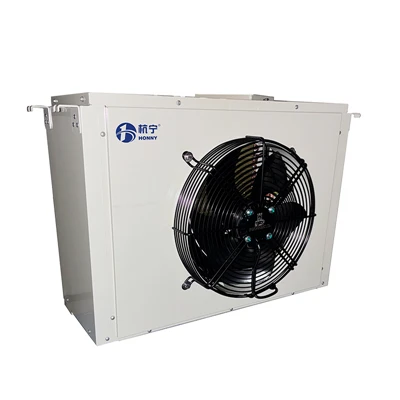
At the end of the day, your water heater is one of those workhorses you don’t think about until it’s broken. But a little attention to hard water can save you a ton of cash, hassle, and lost business. If you’re noticing higher energy bills, lukewarm water, or your heater is acting up, don’t wait until it dies. Reach out to us to chat through your setup, figure out what’s causing the scale, and find a solution that fits your budget and your business needs. We don’t do one-size-fits-all fixes—every café, gym, or laundromat has different water usage, so we’ll tailor a plan that keeps your hot water running strong for years to come.
Ice Bath Machine References
- United States Environmental Protection Agency. (2021). Hard Water Effects on Plumbing and Water Heating Systems. EPA Water Infrastructure Program.
- American Society of Plumbing Engineers. (2022). Commercial Water Heating System Maintenance Guide. ASPE Press.
- Water Quality Association. (2020). Scale Formation and Corrosion in Hot Water Tanks. WQA Technology Department.
- International Association of Plumbing and Mechanical Officials. (2021). Commercial Plumbing Code Handbook: Water Treatment Requirements for Water Heaters. IAPMO.
Hangzhou Honny Heat Energy Technology Co., Ltd.
We are one of the most experienced commercial water heater manufacturers and suppliers in China. With a professional production team, we are able to meet the needs of the majority of our customers. Please feel free to wholesale customized commercial water heater from our factory. Also, quotation is available.
Address: Dingshan Village, Wenyan Subdistrict, Xiaoshan District, Hangzhou City, Zhejiang Province
E-mail: 524435406@qq.com
WebSite: https://www.hnrnkj.com/
