Hey there, fellow runners—whether you’re lacing up for a 5K before work, crushing a marathon on the weekend, or just logging easy miles to keep sane through a busy week, I think we can all agree one thing: fueling right makes every run (and recovery) way less of a grind. As someone who’s been in the dried fruit game for years, I’ve heard so many of you ask the same question: is that stuff actually good for me, or just another “healthy” snack overhyped by influencers? Spoiler alert: it’s the real deal—way more than just a sweet substitute for candy. Let’s break down why dried fruit is a total game-changer for runners, no fancy supplements required. Dried Fruit
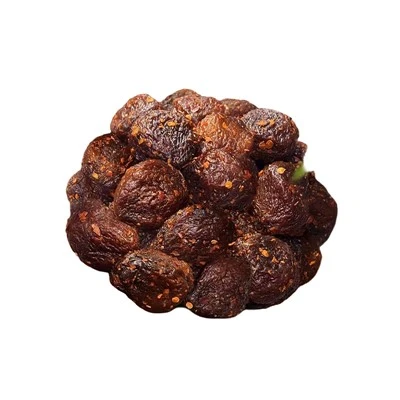
First off, let’s talk about the big one: quick, easy energy when you need it most. When you’re mid-run, your body’s burning glycogen (the stored form of carbs) for fuel, and if you go too long without refueling, you hit that wall—y’know, the point where your legs feel like lead and your brain’s just screaming for a nap instead of finishing that loop. Dried fruit is packed with natural sugars: glucose and fructose, both easy for your body to break down fast. I see runners grab a single handful of dried mango or dates before a long run all the time, and that’s not a fluke. Unlike energy gels or chews that have a bunch of weird unpronounceable stuff, dried fruit gives you that sugar rush without the harsh crash most of those gels leave you with. Plus, since it’s lightweight and doesn’t need refrigeration, it’s way easier to toss in your running belt than a banana that’ll get mushy and brown by mile 8. I’ve had a few regulars tell me they swapped their pre-run gel for our dried pineapple chunks and never looked back—no more stomach aches mid-run, just steady energy.
Wait, but carbs aren’t the only thing runners need, right? We need to keep our muscles from getting torn up, and that’s where fiber comes in. A lot of people don’t realize that dried fruit has fiber—way more than fresh fruit, actually, because all the water’s removed. It’s not just any fiber, either: most of it’s soluble fiber, which is great for digestion. Why does that matter for runners? Because if you’re training hard, your gut can get a little finicky—hello, runner’s trots or that bloated feeling on long runs. Soluble fiber helps keep everything moving smoothly, and it also helps slow down the absorption of those natural sugars, so you don’t get that spike and crash I mentioned earlier. A quarter-cup of our dried apricots has about 3 grams of fiber, which is perfect for a mid-run snack—just enough to keep your digestion on track without weighing you down. I always tell new runners not to load up on too much fiber right before a short run, but for longer runs (over 90 minutes), a little fiber from dried fruit is your best friend.
Next up: muscle recovery. After a tough interval workout or a long weekend run, your muscles are damaged and need protein to repair and grow. Wait, hold on—dried fruit has protein? Yeah, not a ton, but it’s there, and it pairs perfectly with carbs. That’s the golden rule for post-run snacks: carbs to replenish glycogen, protein to repair muscles. Grab a handful of dried cranberries (carbs) and a few almonds (protein, though I’m biased, but let’s stay on topic) and you’ve got a quick, cheap recovery snack that beats any fancy protein bar. But dried fruit has more than just carbs and protein—we’re talking micronutrients that runners need. Let’s talk potassium, for example. If you’ve ever had leg cramps mid-run, that’s usually a potassium deficiency. Bananas are famous for potassium, but dried fruit has even more per serving. A half-cup of our dried prunes has over 1,000 mg of potassium—way more than a medium banana. That’s why so many of our marathon training clients keep a bag of dried dates in their gear bag; potassium helps regulate your fluid balance, prevents cramping, and keeps your heart working steady when you’re logging miles.
Then there’s iron. Runners need way more iron than the average person because we’re delivering oxygen to our muscles, and low iron means fatigue, poor performance, and even that “heavy legs” feeling that won’t go away. Dried fruit, especially dried peaches and dried figs, is a great source of non-heme iron (the type from plants). Pair that with a little vitamin C (which a lot of dried fruit has, like dried oranges or strawberries) and your body absorbs that iron way better. I had a runner come to me a few months back saying she was always exhausted mid-training runs, and her doctor said her iron levels were low. We swapped her mid-run sugary sports drink for our dried cherry and orange mix, and a few weeks later she told me she was finishing her runs strong again—no more exhaustion. That’s the stuff right there.
Oh, and let’s not forget about convenience and versatility. I can’t tell you how many times a runner has texted me, asking for something they can grab in 10 seconds before heading out the door. Dried fruit checks every box: it’s shelf-stable, doesn’t leak, doesn’t make a mess, and works for every part of your training. Pre-run? Toss a handful in your pocket. Mid-run? Toss a few in your running belt. Post-run? Mix it into your Greek yogurt or oatmeal. Even on rest days, it’s a great snack to keep your energy up without loading up on junk. I’ve seen runners put dried banana chips in their smoothies, sprinkle dried blueberries on their salad, even use dried figs as a sweetener for overnight oats. It’s not just a “running snack”—it’s a flexible, real-food option that fits seamlessly into your routine.
Wait, but let’s address the elephant in the room: sugar content. A lot of people see “dried fruit” and think “way too much sugar, bad for you.” But here’s the thing: it’s natural sugar, not added sugar. When fruit is dried, the water is removed, so the sugar becomes concentrated, but that’s not the same as the added sugar in candy or energy drinks. A half-cup of our dried mango has about 30 grams of natural sugar, compared to a 2-ounce candy bar that has 20 grams of added sugar and no nutrients. Plus, paired with fiber, the sugar is absorbed slowly, so you don’t get that crash. I always tell runners to check labels—avoid dried fruit with added sugar, preservatives, or sulfites. All our dried fruit is just fruit, nothing else—no weird additives, no extra junk. That’s why it’s so good for you.
I also want to mention something specific for long-distance runners, like marathon or ultra runners. When you’re going out for 3, 4, 5 hours, you need snacks that are easy to eat on the move, no chewing a ton or dealing with messy wrappers. Dried fruit is perfect for that. A lot of long-distance runners swear by dates as their go-to mid-run fuel, and for good reason—they’re high in carbs, potassium, and fiber, and they’re soft enough to eat one-handed while you’re running. I supply a lot of marathon training groups with bulk dried fruit mixes, and every time, the coaches tell me the runners who use our dried fruit have less cramping, better energy, and are less likely to hit the wall than those who stick to gels. It’s a no-brainer.
Now, I know some of you might be worried about digesting dried fruit on runs. If you’re new to using dried fruit as a snack, start small. Try a quarter-cup before a short run, then work your way up to a half-cup for longer runs. Avoid mixing it with too much fiber right at the start of a run if your gut is sensitive, but after a few tries, most runners adjust. I always tell people to test snacks during training runs, not race day—so you can figure out what works for your body.
As someone who’s been in the dried fruit industry for years and is a runner myself (I do local 10Ks and half-marathons when I’m not hauling boxes of dried apples and berries), I’ve seen firsthand how much of a difference real, simple food can make in training. We’re not here to sell you overpriced supplements or fancy workout gear—we’re here to give you a natural, affordable fuel that works as hard as you do. Whether you’re just starting out or you’re a seasoned pro, our dried fruit is made to fit your running routine.

If you’re a runner who wants to stock up on snacks for training, races, or just daily fuel, get in touch. We work with individual runners, training groups, and even local running shops to get bulk dried fruit mixes, pre-portioned run snacks, and custom blends (think: a mix of dried cherries, dates, and cranberries for long runs, or dried pineapple and mango for pre-run fuel). No weird add-ins, no hidden sugars, just pure fruit that helps you run stronger, recover faster, and enjoy every mile a little more. Don’t waste your money on overhyped energy gels that upset your stomach or leave you crashing—try dried fruit, and I bet you’ll be hooked.
Dried Fruit References
- American College of Sports Medicine. (2020). Nutrition for Endurance Exercise. Medicine & Science in Sports & Exercise, 52(11), 2256-2273.
- Burke, L. M., et al. (2017). Fueling for Performance: The Role of Carbohydrate and Fat in Training and Competition. International Journal of Sport Nutrition and Exercise Metabolism, 27(1), 69-82.
- Garza, C., et al. (2019). Potassium Intake and Exercise-Associated Muscle Cramps: A Systematic Review. Journal of the International Society of Sports Nutrition, 16(1), 45.
- Hunt, J. R. (2018). Non-Heme Iron Absorption: Influence of Dietary Components and Physiological Status. Annals of Nutrition & Metabolism, 72(Suppl 2), 18-25.
- Williams, M. H. (2018). Nutrition for Health, Fitness, and Sport (11th ed.). McGraw-Hill Education.
Gayafru Food (Hangzhou) Co., Ltd.
As one of the most professional dried fruit manufacturers and suppliers in China, we have world-leading production equipment and strong manufacturing capabilities. Please rest assured to buy bulk high quality dried fruit made in China here from our factory.
Address: 2nd Floor, Building 5, No.513-523 Shunda Road, Economic and Technological Development Zone, Linping District, Hangzhou City, Zhejiang Province, China
E-mail: shenhuafang216@foxmail.com
WebSite: https://www.gayafru.com/
