If you’ve ever walked through a working farm during planting or harvest season, you’ve probably seen a row of shiny, specialized machines pulled behind tractors, working behind the scenes to turn raw land or harvested crops into something usable. But if you’ve stopped to ask yourself what separates those machines from the main, larger tools you hear farmers talk about first, you’re not alone. As a farm implement supplier, I get this question all the time, both from new farmers just setting up their operations and from veteran growers looking to expand their toolkit. Most people know the basics of primary farm implements—plows, seeders, harvesters, the big workhorses that do the core tasks of planting and harvesting. Secondary farm implements, though, are the unsung heroes that make those primary tools work better, save farmers time and money, and protect the long-term health of their land. Farm Implement
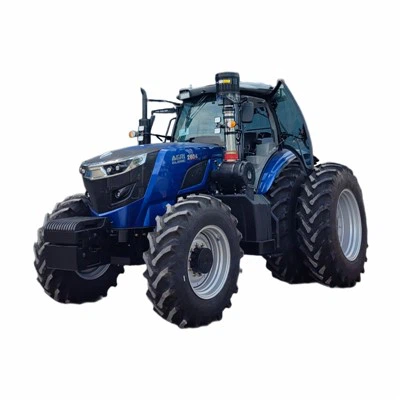
Let’s start with a clear, straightforward definition: a secondary farm implement is a tool or machine designed to support, refine, or augment the work of primary implements, rather than performing a core farm task on its own. Unlike a primary seeder, which actually plants seeds in the ground, a secondary implement might prepare the seedbed ahead of seeding, adjust soil conditions to help seeds grow, or handle post-harvest tasks that primary harvesters can’t fully finish. It’s a fine line, I know, but the easiest way to tell them apart is to ask: does this tool do the main job (planting, harvesting, tilling, etc.) of this step in the farming process? If not, it’s secondary.
I’ve seen this distinction play out on family farms I’ve worked with over the past 12 years, and it comes down to context, too. For a small-scale vegetable farmer who only tills a quarter acre of land each spring, a light-duty tiller might act as a primary tool—their main way of breaking up soil to plant. But for a large corn or soybean operation that tills hundreds of acres, that same light tiller becomes a secondary implement, used after a primary plow or disk to smooth soil into a perfect seedbed. That’s why, when I explain secondary implements to new customers, I always stress that their role is relative, but their purpose is consistent: to fill gaps that primary tools can’t address alone.
Now, let’s break down the most common types of secondary farm implements, because seeing them in action makes the definition way easier to grasp. I’ll start with soil preparation, the step right before planting, because that’s where secondary implements do some of their most important work.
One of the most widely used secondary soil implements is a cultipacker. After a primary disk or plow breaks up rough, freshly tilled soil, the ground is uneven—full of clods, air pockets, and loose dirt. A cultipacker is a heavy, roller-like machine with smooth or textured cylinders that rolls over the soil, pressing it firmly into place. Why does that matter? Seeds need consistent, firm contact with soil to germinate; if they’re sitting in loose, airy dirt, they might not get enough moisture, or could be eaten by birds before they sprout. A cultipacker evens out clumps, reduces air pockets, and creates a uniform seedbed, which makes the work of a primary seeder (that drops the seeds) way more accurate. I’ve had customers tell me that adding a cultipacker to their setup increased their germination rate by 10 to 15% in the first year—no small change when you’re planting thousands of acres.
Another soil-focused secondary implement is a harrow, though it’s often confused with a primary plow. Wait, let’s clarify: a primary plow cuts and turns soil, flipping crop residue or weeds under. A secondary harrow, whether it’s a disk harrow, tine harrow, or chain harrow, works after the plow to break up clods, level the surface, and incorporate residue or fertilizer into the top layer of soil. Disk harrows have angled metal disks that slice through soil, making them good for medium-to-large operations, while tine harrows have spring-loaded teeth that gently work the top two inches of soil, perfect for no-till or low-till farms that want to disturb as little soil as possible. For context, I had a small organic vegetable farmer reach out last year because his primary plow was leaving too many big clods that made it hard for his seeder to place small seeds like carrots or lettuce. Adding a tine harrow (a secondary implement) after his plow cut his seedbed prep time in half and eliminated the clump problem he’d been dealing with.
Moving past planting, secondary implements also play a big role in crop maintenance, during the months between planting and harvest. One key tool here is a cultivator, specifically a row-crop cultivator, which is used to pull weeds between rows of growing crops. Wait, why is that secondary? Because the primary job of a farmer in crop maintenance is to protect and nurture the growing plants, and while cultivators are essential, they don’t plant or harvest the crop itself—they remove weeds that would compete for water and nutrients. Some people call cultivators “inter-row secondary implements” because their only job is to work around the growing crop. Modern row-crop cultivators have adjustable tines that can be set to avoid damaging the roots of corn, soybeans, or cotton, and they’re a far more cost-effective alternative to herbicides for many farmers, especially organic ones. I supply a lot of these to organic farms because they let farmers stay compliant with organic standards while keeping weeds under control without extra chemicals.
Then there are secondary implements for post-harvest handling, which most people don’t talk about as much, but are just as important. When a primary combine harvester pulls through a field, it cuts the crop, separates the grain from the stalks, and leaves behind straw and chaff. A combine does a good job, but it often leaves uneven residue, some small bits of grain still in the stubble, and sometimes soil clumps mixed in. That’s where a secondary implement like a stalk shredder or a field cleaner comes in. A stalk shredder (sometimes called a chaff cutter) chops up leftover stalks into small pieces that decompose faster, adding organic matter back into the soil for the next planting season. A field cleaner, which is often pulled behind a tractor after the combine, sifts through the harvested grain to remove small debris, weed seeds, or broken stalks, so the grain is clean enough to store or sell. I had a wheat farmer tell me last year that without a field cleaner, his grain would get rejected by the elevator because it had too much debris, costing him thousands of dollars. That’s exactly the job of a secondary implement: it doesn’t harvest the wheat, but it makes the harvest usable and valuable.
Now, you might be wondering: why should a farmer care about secondary implements at all? If primary tools get the big jobs done, why spend money on something that only supports them? That’s a fair question, and as a supplier, I try to make the value clear to every customer I work with. Let’s break down the real benefits, from my experience working with farmers across different sizes and crop types.
First, secondary implements save time. Let’s take the example of a corn farmer: a primary plow might till a field in four hours, but leaving clods and uneven soil means the seeder has to go over the field again, or seeds are planted too deep or too shallow, leading to wasted time later. Adding a cultipacker and a harrow as secondary tools means the seedbed is ready in one pass, so the farmer can plant faster before a rainstorm (which can wash away seeds if they’re not planted in time). I’ve seen farmers cut their total field prep time by 30% just by adding two secondary implements to their existing primary setup.
Second, they save money. Germination rates go up when seedbeds are properly prepared, so farmers don’t have to buy extra seed to make up for seeds that don’t grow. Weed control with cultivators means less money spent on herbicides, and post-harvest cleaners mean grain isn’t rejected at market, which is a huge revenue boost. A customer of mine who runs a 2,000-acre soybean operation told me that adding a row-crop cultivator cut his herbicide budget by 40% in the first year, and a grain cleaner added $12,000 in extra revenue from his 2022 harvest because his grain was clean enough to get a premium price at the elevator.
Third, secondary implements help with long-term soil health, which is something farmers are increasingly focused on as weather patterns get more unpredictable. Tools like tine harrows and stalk shredders reduce soil erosion—loose, uneven soil is more likely to wash or blow away, but a firm, even seedbed holds moisture better. Crop residue left by stalk shredders adds organic matter, which improves soil structure and helps the land hold nutrients without extra fertilizer. As someone who’s worked in this industry for over a decade, I can tell you that more and more farmers aren’t just buying implements to do the job today; they’re buying to protect their land for the next generation, and secondary tools are a key part of that.
Now, it’s important to clear up a common misconception about secondary implements: they’re not “optional” add-ons. For small-scale farmers who are just starting out, it might feel like you can get by with only primary tools, but as your operation grows, those gaps start to cost you. For large-scale farmers, skipping secondary implements can lead to lower yields, higher costs, and even damage to soil over time. That said, not all secondary implements are the same—size, build quality, and functionality matter a lot, which is why choosing the right ones for your operation is key.
For example, a lightweight cultipacker for a 10-acre vegetable farm is way different than a heavy-duty one for a 10,000-acre grain operation. If you buy a too-small cultipacker for a large field, it won’t compact the soil evenly, and you’ll end up with the same germination problems you were trying to fix. That’s where I come in, as a supplier: I work with each customer to match their secondary implements to their specific crops, acreage, and budget, so they don’t waste money on tools that won’t work for them.
Over the years, I’ve seen a lot of customers start with just primary tools, then add one secondary implement at a time as they see the value. A new vegetable farmer might start with a primary seeder and a plow, then add a tine harrow for weed control in year two, then add a small grain cleaner when they start selling their produce at local markets. That gradual approach makes sense, because secondary implements are an investment, not a one-time purchase.
If you’re a farmer reading this and wondering if secondary implements make sense for your operation, here’s a quick checklist: Do you have consistent problems with low germination rates, uneven seedbeds, weeds damaging your crops, or grain getting rejected at market? If yes, there’s probably a secondary implement that can solve that problem. If you’re still unsure, the best thing to do is reach out, so we can talk through your specific needs. I’ve worked with everything from 1-acre hobby farms to 50,000-acre commercial operations, and I can help you figure out which secondary tools will deliver the most value for your farm, no matter your size or crop type.
At the end of the day, farming is about balance: between primary tasks that get the crop in and out of the ground, and secondary tasks that make that process efficient, profitable, and sustainable. Secondary farm implements aren’t the flashy machines that make headlines at agricultural shows, but they’re the ones that keep farms running smoothly year after year. Whether you’re a new farmer just building your toolkit or a veteran grower looking to boost your yields, adding the right secondary implements is one of the best investments you can make for your farm’s bottom line and its future.
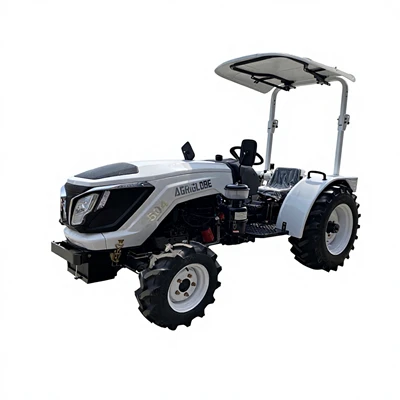
If you’re ready to explore secondary farm implements that fit your operation, feel free to reach out to discuss your needs and find the right solutions for your farming tasks.
Farm Implement References
- Agricultural Machinery Management, American Society of Agricultural and Biological Engineers, 2021
- Soil Health and Secondary Tillage Implements, National Agricultural Statistics Service, U.S. Department of Agriculture, 2022
- Small-Scale Farm Implement Needs, National Sustainable Agriculture Coalition, 2020
- Crop Post-Harvest Handling: Secondary Impacts on Market Value, Farm Journal, 2023
Shandong Ling Ke Industry Group Co., Ltd.
As one of the most professional farm implement manufacturers and suppliers in China, we’re featured by quality products and good price. Please rest assured to buy cheap farm implement for sale here from our factory. We also accept customized orders.
Address: Room 1505 Fortune International Commerce Building, No.4931 Beihai Road, Kuiwen District, Weifang City, Shandong Province, China
E-mail: aileenlin@sdlingkegroup.com
WebSite: https://www.lingketractor.com/
