Hey there! I’m a supplier of nickel alloy valves, and I’ve been in this industry for quite some time. One question that comes up a lot from my customers is how to ensure the long – term stability of nickel alloy valves. Well, I’m here to share some tips and tricks based on my real – world experience. Nickel Alloy Valves

First off, let’s understand why nickel alloy valves are so popular. Nickel alloys are known for their excellent resistance to corrosion, high temperatures, and pressure. They’re used in a wide range of industries, from chemical processing to oil and gas. But just like any other product, they need proper care and attention to last a long time.
Material Selection
The first and most crucial step in ensuring the long – term stability of nickel alloy valves is choosing the right material. There isn’t a one – size – fits – all solution. Different applications require different nickel alloys. For example, if you’re working in a highly corrosive environment, like a chemical plant where there are strong acids and alkalis, you might want to go for a nickel – molybdenum – chromium alloy. These alloys, such as Hastelloy C – 276, have outstanding corrosion resistance.
On the other hand, if your valve is going to be used in high – temperature applications, like in a power plant boiler, a nickel – chromium – iron alloy, such as Inconel 600, could be a better choice. It retains its strength and corrosion resistance even at elevated temperatures.
As a supplier, I always take the time to understand my customers’ specific needs before recommending an alloy. It’s not just about selling a valve; it’s about making sure they get the right one for the job.
Proper Installation
Once you’ve got the right valve, proper installation is key. A badly installed valve can lead to all sorts of problems down the road, like leaks, reduced performance, and even premature failure.
First of all, make sure the valve is installed in the correct orientation. Most valves have an arrow indicating the flow direction, and it’s important to follow this. If you install the valve backward, it won’t work as intended, and you might end up with issues like pressure drops or valve damage.
Also, pay attention to the piping connections. The valve should be properly aligned with the pipes, and the gaskets and seals should be installed correctly. A loose or misaligned connection can cause leaks, which not only waste resources but can also be dangerous in some applications.
During installation, use the right tools and follow the manufacturer’s instructions. I’ve seen some cases where customers tried to cut corners and used the wrong tools, which ended up damaging the valve. So, take your time and do it right.
Regular Maintenance
Maintenance is an ongoing process that can significantly extend the lifespan of nickel alloy valves. One of the simplest but most effective maintenance tasks is regular cleaning. Over time, debris, dirt, and corrosion products can accumulate on the valve components, which can affect its performance.
You can use a mild detergent and a soft brush to clean the exterior of the valve. For the interior parts, depending on the type of valve, you might need to use specialized cleaning agents. Just make sure the cleaning agents are compatible with the nickel alloy to avoid any damage.
Another important aspect of maintenance is lubrication. Many nickel alloy valves have moving parts, such as stems and balls. Lubricating these parts can reduce friction, prevent wear and tear, and ensure smooth operation. Use a high – quality lubricant recommended by the manufacturer.
Inspections are also crucial. Regularly check the valve for signs of wear, corrosion, or damage. Look for things like cracks, leaks, or loose components. If you notice any issues, address them immediately. Small problems can quickly turn into big ones if left unattended.
Operating Conditions Monitoring
Monitoring the operating conditions of the valve is another important factor in ensuring its long – term stability. Keep an eye on things like temperature, pressure, and flow rate. Extreme conditions can put a lot of stress on the valve and shorten its lifespan.
If the temperature or pressure exceeds the valve’s rated capacity, it can cause deformation of the valve components, leading to leaks or failure. So, make sure the operating conditions are within the acceptable range. You can use sensors and monitoring systems to keep track of these parameters in real – time.
In addition, be aware of any changes in the fluid composition. If the fluid contains new contaminants or has a different chemical makeup, it could potentially cause corrosion or other issues with the valve. If you expect a change in the fluid, consult with the valve manufacturer or a technical expert to see if any adjustments are needed.
Training and Education
Finally, proper training and education for the people who operate and maintain the valves are essential. Often, I’ve seen situations where valve problems occur because the operators don’t fully understand how to use the valve correctly.
Provide training on the proper operation, installation, and maintenance procedures for the nickel alloy valves. This can help prevent common mistakes and ensure that the valves are used to their full potential.
As a supplier, I’m always willing to provide training materials and even on – site training if needed. I believe that educated customers are more likely to have a positive experience with our products and see the long – term benefits.
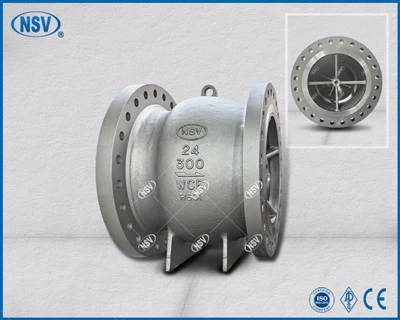
In conclusion, ensuring the long – term stability of nickel alloy valves requires a combination of the right material selection, proper installation, regular maintenance, monitoring of operating conditions, and adequate training. As a nickel alloy valve supplier, I’m committed to helping my customers get the most out of our products. If you’re in the market for nickel alloy valves or need advice on how to maintain the ones you have, don’t hesitate to reach out. Let’s have a chat and see how we can work together to meet your needs.
Changeover Valves References
- ASME Boiler and Pressure Vessel Code
- ASTM Standards for Nickel Alloy Materials
- Mfg. Standards of Nickel Alloy Valves
NSV Valve Corporation
NSV Valve Corporation is one of the most professional nickel alloy valves manufacturers and suppliers in China, featured by quality products and good service. Please rest assured to buy nickel alloy valves made in China here from our factory.
Address: Puyi Road,Sanqiao Industrial Zone, Oubei Street, Yongjia County,Zhejiang,China
E-mail: info@nsvvalve.com
WebSite: https://www.nsvvalves.com/
