As a seasoned supplier of precision turned parts, I’ve witnessed firsthand the paramount importance of minimizing dimensional variation in our products. The intricate dance between design, manufacturing processes, and quality control is a constant challenge, but one that can be mastered with the right approach. In this blog post, I’ll share my insights and strategies on how to reduce the dimensional variation of precision turned parts, drawing from years of experience in the industry. Precision Turned Parts
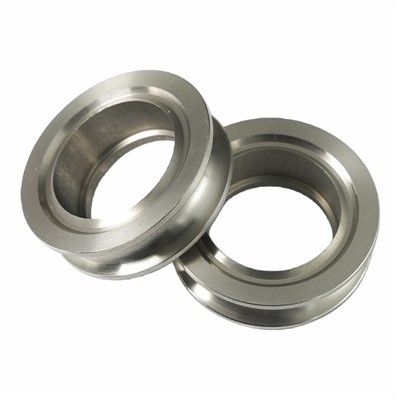
Understanding the Root Causes of Dimensional Variation
Before we can tackle the issue of dimensional variation, it’s crucial to understand its root causes. Precision turned parts are manufactured through a series of machining operations, each of which can introduce small variations that accumulate over time. These variations can be attributed to several factors, including:
Machine Tool Accuracy
The accuracy of the machine tool used in the turning process is a significant contributor to dimensional variation. Even the most advanced CNC lathes can experience wear and tear over time, leading to deviations in the cutting path and ultimately affecting the dimensions of the finished part. Regular maintenance and calibration of machine tools are essential to ensure their accuracy and minimize dimensional variation.
Cutting Tool Wear
Cutting tools play a critical role in the turning process, and their wear can have a direct impact on the dimensional accuracy of the parts. As the cutting tool wears, its geometry changes, which can result in variations in the cutting forces and the surface finish of the part. Monitoring and replacing cutting tools at regular intervals is crucial to maintain consistent dimensional accuracy.
Material Properties
The properties of the material being machined can also affect the dimensional variation of precision turned parts. Different materials have different thermal expansion coefficients, which can cause them to expand or contract during the machining process. Additionally, material inhomogeneities, such as variations in hardness or grain structure, can lead to uneven cutting and dimensional variations. Understanding the material properties and selecting the appropriate machining parameters can help minimize these effects.
Operator Skill and Training
The skill and training of the operator performing the turning operations are also important factors in reducing dimensional variation. An experienced operator with a deep understanding of the machining process can make adjustments on the fly to compensate for any variations that may occur. Providing comprehensive training to operators and encouraging continuous learning and improvement can help ensure consistent quality in the finished parts.
Strategies for Reducing Dimensional Variation
Once we have a clear understanding of the root causes of dimensional variation, we can implement strategies to minimize its impact. Here are some effective strategies that I’ve found to be successful in reducing the dimensional variation of precision turned parts:
Implementing a Robust Quality Control System
A robust quality control system is essential for detecting and correcting dimensional variations early in the manufacturing process. This system should include regular inspections at various stages of production, from raw material inspection to final product inspection. Non-destructive testing methods, such as dimensional measurement with coordinate measuring machines (CMMs) or optical measurement systems, can be used to ensure the accuracy of the parts. By implementing a strict quality control system, we can identify and address any issues before they lead to costly rework or scrap.
Optimizing Machining Parameters
Optimizing the machining parameters is another key strategy for reducing dimensional variation. This involves carefully selecting the cutting speed, feed rate, and depth of cut based on the material being machined, the type of cutting tool, and the desired surface finish. By using the optimal machining parameters, we can minimize the cutting forces and thermal effects, which can help reduce dimensional variations. Additionally, using advanced machining techniques, such as high-speed machining or cryogenic machining, can further improve the dimensional accuracy of the parts.
Using High-Quality Cutting Tools
Using high-quality cutting tools is essential for achieving consistent dimensional accuracy in precision turned parts. High-quality cutting tools are made from premium materials and have precise geometries, which can help reduce cutting forces and improve the surface finish of the parts. Additionally, using cutting tools with advanced coatings can further enhance their performance and durability, reducing the need for frequent tool changes and minimizing dimensional variations.
Employing Statistical Process Control (SPC)
Statistical process control (SPC) is a powerful tool for monitoring and controlling the manufacturing process to reduce dimensional variation. SPC involves collecting and analyzing data from the production process to identify trends and patterns. By using control charts and other statistical techniques, we can detect any variations in the process and take corrective actions before they lead to out-of-spec parts. SPC can also help us identify the root causes of dimensional variation and implement permanent solutions to prevent them from recurring.
Continuous Improvement
Continuous improvement is a fundamental principle in reducing the dimensional variation of precision turned parts. We should regularly review our manufacturing processes and quality control systems to identify areas for improvement. By collecting feedback from customers, operators, and suppliers, we can gain valuable insights into the areas that need attention. Implementing small, incremental changes over time can lead to significant improvements in dimensional accuracy and overall product quality.
Case Study: Reducing Dimensional Variation in a Precision Turned Part
To illustrate the effectiveness of these strategies, let’s take a look at a real-world case study. We were approached by a customer who was experiencing significant dimensional variation in a precision turned part used in a critical application. The part had tight dimensional tolerances, and the customer was facing issues with functionality and reliability due to the variations.
We started by conducting a comprehensive root cause analysis to identify the factors contributing to the dimensional variation. We found that the machine tool used in the turning process was slightly out of calibration, the cutting tools were showing signs of wear, and the machining parameters were not optimized for the material being used. Additionally, the operator had limited experience with the specific part geometry, which was also contributing to the variations.
Based on our findings, we developed a comprehensive action plan to address the issues. We calibrated the machine tool to ensure its accuracy and replaced the worn cutting tools with high-quality ones. We also optimized the machining parameters based on the material properties and the part geometry. To improve the operator’s skills, we provided additional training on the specific part and the machining process.
We implemented a robust quality control system, including regular inspections using CMMs and SPC techniques to monitor the dimensional accuracy of the parts. We also established a continuous improvement process to track the effectiveness of our actions and make further adjustments as needed.
After implementing these changes, we noticed a significant reduction in the dimensional variation of the parts. The customer was extremely satisfied with the improved quality and reliability of the parts, and we were able to build a stronger relationship with them.
Conclusion
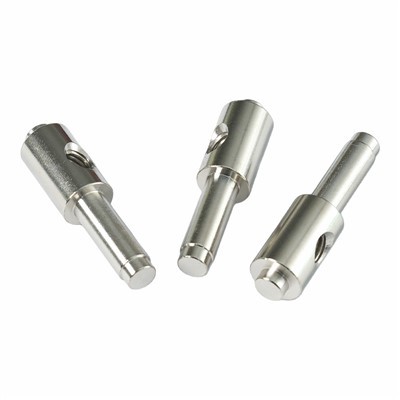
Reducing the dimensional variation of precision turned parts is a critical challenge for any supplier in the industry. By understanding the root causes of dimensional variation and implementing effective strategies, such as a robust quality control system, optimizing machining parameters, using high-quality cutting tools, employing statistical process control, and continuous improvement, we can achieve consistent dimensional accuracy and improve the overall quality of our products.
CNC Turning If you’re looking for a reliable supplier of precision turned parts with minimal dimensional variation, I encourage you to reach out to us for a procurement discussion. We have the expertise, experience, and commitment to quality to meet your needs and exceed your expectations. Let’s work together to achieve your precision machining goals.
References
- ASME Y14.5 – Dimensioning and Tolerancing
- ISO 9001 – Quality Management Systems
- Statistical Process Control Handbook – ASQ
- Machining Fundamentals – Industry publications and textbooks
Huizhou Quanyi Precision Hardware Products Co., Ltd.
Address: Building A10, 7th Floor, Zhongchuangyingke 5G Industrial Park, Zhonghan Industrial Park, Tonghu Town, Huizhou City
E-mail: info@qycncturning.com
WebSite: https://www.qycncturning.com/
