When I first started working as a cashmere yarn supplier over a decade ago, I had no idea that handling the finest fiber in the textile world would require more than just knowing how to count bales or check quality tags. Cashmere isn’t like cotton or acrylic—it’s gentle, it’s finicky, and every step of working with it demands a level of care that goes beyond what you’d expect from a typical yarn product. I’ve seen too many knitters, small boutique owners, and even large production teams ruin batches of cashmere because they didn’t understand the specific skills it takes to work with it properly. That’s why today, I want to break down the key skills anyone needs—whether you’re a knitter, a designer, or a manufacturer—to handle cashmere yarn well, straight from the supplier who’s seen both the best and worst of this fiber firsthand. Cashmere Yarn
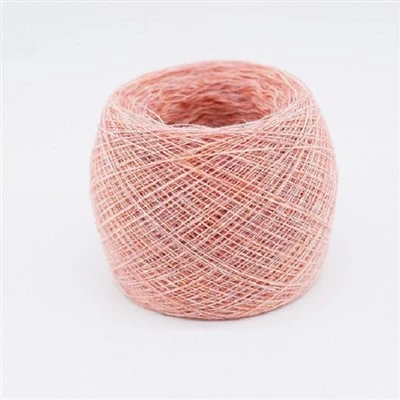
First and foremost, you need a deep understanding of cashmere fiber characteristics. Not all cashmere is created equal, and this is where so many people go wrong early on. Cashmere comes from the undercoat of cashmere goats, mostly raised in regions like Inner Mongolia, Mongolia, and parts of Afghanistan, and its diameter is what determines its quality. Fine cashmere is usually between 14 and 19 microns—smaller than a human hair—and that fineness means it’s incredibly soft, but also incredibly delicate. I’ve had customers come to me after buying cheap “cashmere yarn” online, thinking they’d get the same softness they saw in a luxury scarf, only to find that it sheds like crazy or pills after one wash. That’s because they didn’t learn to check for staple length, too. The staple is the individual length of the fiber; cashmere staples should be at least 30mm long. Short staples mean more ends sticking out, which leads to pilling, while longer staples create a smoother, more durable yarn.
As a supplier, I take the time to educate my clients on this because it’s a skill that makes all the difference. When you can identify fine, long-staple cashmere, you know how to handle it gently. Unlike wool, which has a scaly surface that holds shape, cashmere’s surface is smoother, so it can stretch more—but it also loses that stretch if pulled too hard or stretched too far. I’ve seen a knitter cast on a too-tight edge for a sweater, and after blocking, the edge shrank so much it didn’t fit. Or another customer who wound their cashmere yarn too tightly on a swift, creating knots that took hours to untangle, and those knots often broke during knitting. That understanding of the fiber’s physical properties isn’t something you can pick up from a YouTube video; it’s a combination of experience and intentional learning, which is why so many new cashmere workers struggle at first.
Next, mastering tension control is non-negotiable. Tension is how tight or loose you hold your yarn as you work, and with cashmere, this is make-or-break. Cashmere is a fine fiber, so uneven tension leads to lumpy, inconsistent stitches that ruin the look of a project. I’ve had boutique knitters tell me they love working with cashmere but hate that every project turns out differently—one day the stitches are loose and floppy, the next they’re tight and restrictive. The reason is almost always tension inconsistency. Unlike bulkier yarns that can hide uneven tension, cashmere’s thinness means every little variation in pull shows.
As a supplier, I always recommend that new cashmere workers practice swatching with a small, high-quality batch first. Swatching isn’t just for checking gauge—it’s for getting a feel for how tight to hold the yarn. For example, when knitting a stockinette stitch with cashmere, you should hold the yarn gently, almost letting it glide through your fingers, rather than squeezing it. I once had a new customer, a home knitter, who kept getting gauge wrong on a sweater I’d supplied because she was holding the yarn too tight. After she practiced swatching for a week, adjusting her tension each time, she got it right—and her final project turned out perfectly. That ability to adjust tension based on the fiber is a skill that separates someone who can work with cashmere from someone who just works with yarn.
Then there’s the skill of proper yarn preparation. Cashmere is a delicate fiber, so how you prepare it before use can make or break its performance. A lot of people skip this step, but as a supplier, I’ve seen the results of that firsthand. Cashmere yarn often comes in skeins, and if you just try to pull from the middle, you’ll create tangles that lead to broken stitches. The right way is to find the center pull, but even that needs care. You should wind the skein into a ball (or a cake, if you’re using a ball winder) with medium tension—too loose and the ball will unravel mid-project, too tight and you’ll stress the fiber.
Another part of preparation is dealing with “flyaway” fibers. Cashmere sheds tiny fibers, especially when it’s new. If you’re working in a space with lint or dust, those fibers will stick to the cashmere, and when you wash the final project, they’ll create pills. I always tell my clients to work on a clean, flat surface, and if they notice a lot of loose fibers, to gently run a lint roller over the ball of yarn before starting. It’s a small step, but it’s a skill that keeps projects looking neat and professional. I once had a small manufacturer who started skipping this step, and their batch of cashmere scarves came back with so many pills they had to discount them. They fixed the problem within a week, and now it’s a standard part of their production process.
Blockknitting or crochet projects—this is another critical skill that’s unique to cashmere. Blocking is the process of shaping a finished project (or even a swatch) with water, pins, and tension, and cashmere responds to blocking differently than other fibers. Because it’s protein-based, just like wool, cashmere can absorb water and reshape, but if you use too much heat, you’ll felt it. Felted cashmere is stiff, shrunken, and basically ruined—something I’ve had to replace for a couple of unhappy customers over the years.
The right way to block cashmere is to use lukewarm water, never hot. You can gently hand wash the project with a mild detergent, like wool wash, then squeeze out the excess water (don’t wring it, that stretches the fibers) and lay it flat on a towel. Then, you pin it to the desired shape—whether that’s a sweater body, a scarf, or a hat—using rustproof pins, and let it air dry completely. I always advise my clients not to use a dryer, even on low heat, because the heat can break down the cashmere fibers over time. One of my long-time customers, a professional knitter, told me that blocking cashmere is half the work of a project, and it’s a skill she spent years perfecting. She used to rush through blocking, and her sweaters would lose shape after a few wears. Now, she takes her time, and her projects are some of the most sought-after in her boutique.
Beyond these technical skills, there’s a softer skill that’s just as important: patience. Working with cashmere is slower than working with bulkier yarns. Each stitch is smaller, so a sweater that would take a week with worsted weight yarn might take three weeks with cashmere. I’ve seen people get frustrated with the slow pace, rush through a project, and end up with a low-quality result. Patience isn’t just about taking your time when knitting—it’s also about being gentle with the fiber. If a stitch breaks, you can’t just yank it tight; you have to carefully weave in the end, or even undo a few stitches if needed. Rushing leads to mistakes, and mistakes with cashmere are harder to fix than with other yarns.
As a supplier, I’ve learned that the customers who do best with cashmere are the ones who treat it like the luxury fiber it is, not just a material to turn into a product. They take the time to learn its quirks, adjust their techniques, and be patient throughout the process. That’s why I make it a point to share this knowledge with every client, whether they’re a first-time cashmere knitter or a seasoned manufacturer. Because when you have the right skills, working with cashmere isn’t just hard—it’s rewarding. The finished projects are softer, more durable, and have a quality that can’t be matched by cheaper fibers.
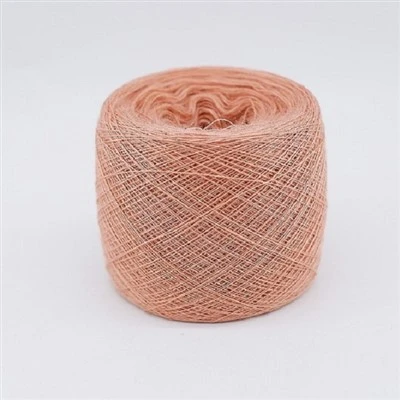
At the end of the day, if you’re looking to work with cashmere yarn, whether for personal projects or business, these skills will set you up for success. You don’t need to be a textile expert, but you do need to invest time in learning about the fiber, practicing tension control, preparing your yarn properly, mastering blocking, and being patient. If you’re ready to source high-quality cashmere yarn for your projects, I’m here to help. We offer a range of cashmere products, from fine 14-micron yarns to longer-staple blends, and I can work with you to find the right material for your needs. Whether you’re a small boutique owner needing a custom batch or a home knitter looking for a small skein, we’re happy to discuss your requirements and help you get started with cashmere the right way.
Fancy Yarn References
Cashmere Fiber Characteristics: The Textile Institute. Cashmere: Properties and Processing. 2018.
Knitting with Fine Cashmere: American Knitting Council. Advanced Techniques for Luxury Yarns. 2020.
Textile Blocking Methods: International Textile Manufacturers Federation. Best Practices for Natural Fiber Finishing. 2019.
Huangshan Aotai Textile Co., Ltd.
As one of the most professional cashmere yarn manufacturers and suppliers in China, we’re featured by quality products and good service. Please rest assured to wholesale bulk premium cashmere yarn in stock here and get quotation from our factory. We also accept customized orders.
Address: Development Zone, Bei’an Town, She County, Huangshan City, Anhui Province
E-mail: aotaifangzhi2007@163.com
WebSite: https://www.cn-aotai.com/
