When you’re running a hot dip galvanizing shop, you’ve got a million things to juggle—making sure the parts fit right, the kettles stay hot, and your crew stays safe. One of the most underrated gear we supply here is zinc fume exhaust systems, and let me tell you, if you skip this, you’re not just asking for headaches (literally, for your workers) — you’re breaking rules, plain and simple. Let’s break this down like we chat on a shop floor, no fancy jargon that makes you zone out. Hot Dip Galvanizing Equipment Parts
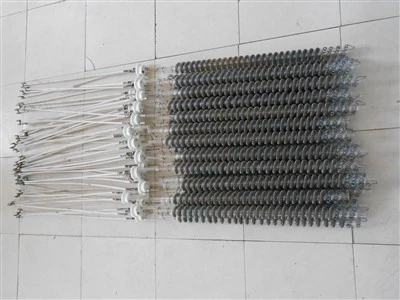
First, let’s get what zinc fumes actually are, because a lot of folks who’re new to galvanizing don’t get how sneaky they are. When you dip steel parts into molten zinc (that’s like 840°F, for the uninitiated), the heat doesn’t just melt the zinc—it vaporizes a tiny bit of it, right? That vapor mixes with moisture in the air and turns into those tiny, dust-like particles you can sometimes smell or see hanging around the kettle. Those aren’t just gross to breathe; they’re a problem. OSHA (yeah, that’s the big workplace safety folks) sets a limit of 5 milligrams of zinc fumes per cubic meter of air over an 8-hour shift. Breathe too much of that, and you get metal fume fever—flu-like symptoms, shakes, even bad lung irritation if it’s consistent. Not exactly something you want your guys dealing with.
Now, the exhaust system’s whole job is simple: suck those fumes up before they spread through the shop, filter the bad stuff, and blow clean air back out. But not all exhaust systems are made equal, especially for galvanizing. A lot of off-the-shelf systems you’d grab for a kitchen hood won’t cut it here. Galvanizing kettles are big, produce fumes in huge bursts when you lower a cold part (steel is cold, so it cools the zinc on contact, which makes way more vapor than just holding a hot part in there). So your exhaust needs to move a lot of air fast, not just a trickle.
Let’s talk about what our systems are built for, since we’re the hot dip galvanizing equipment parts supplier here. First, we size the hoods right for your kettle. Too small, and fumes escape out the sides before they get pulled in. Too big, and you’re wasting energy moving air you don’t need. Our hoods are custom-fitted (well, almost—we have standard sizes for common kettle types, and can tweak if your shop’s got a weird layout) to sit just a foot or so above the kettle’s surface, with adjustable vents so you can fine-tune the suction. That’s a big one—if your vent’s off, you’re blowing money on extra power and still getting fumes everywhere.
Next, the fans. We don’t skimp here. Galvanizing fumes are hot, they’re a little corrosive (zinc mixed with air can eat away at cheap metal fans fast), so we use fans made from materials that hold up—usually galvanized steel or even stainless steel for shops that run 24/7. A cheap fan from a hardware store might die in 6 months, which means you’re shutting down the kettle to replace it, costing you money. Our fans are built to handle that constant heat and corrosion, so they last years with basic maintenance.
Then there’s the filter part. Wait, a lot of people think exhaust is just “suck and blow,” but the filter is key because you can’t just vent zinc particles into the atmosphere. Local environmental rules—like EPA stuff in the US, or similar bodies everywhere—ban letting zinc fumes go straight out into the air. Our systems use bag filters or cartridge filters, depending on how big your shop is. For small shops (like 1 kettle, 10 employees), cartridge filters work fine—they’re easy to change, cheap. For bigger shops with 3 or 4 kettles, bag filters hold more, so you don’t have to replace them as often, which saves time. Some of our newer systems even have a scrubber step for really fine particles, so you stay compliant no matter what your area’s rules are.
But here’s the thing most people miss: it’s not just the big parts. The small parts matter a ton, and that’s where us as the hot dip galvanizing equipment parts supplier come in handy. Let’s say your exhaust system’s working, but a cracked duct is letting air escape before it gets to the filter—all that fume control goes out the window. We stock all the replacement parts: duct work (galvanized, flexible and rigid), gaskets for the hoods, fan belts, filter cartridges, even the little clamps that hold everything tight. We see shops all the time that wait until their duct springs a leak, then scramble to find a part in 2 hours before their kettle’s down for good. That’s why we keep a big inventory of common parts, so you don’t have to wait weeks for a order.
Let’s also talk about why this isn’t just “safety stuff”—it saves you money in the long run. If your crew’s breathing good air, they’re less likely to take sick days. We’ve had customers tell us that after installing our exhaust systems, their turnover went down because workers felt the shop was safer, not just a place where you’re breathing fumes all day. And compliance fines? OSHA can hit you with thousands of dollars if you fail air quality tests, and environmental agencies too. I’ve seen a small galvanizing shop get a $15,000 fine because their exhaust was broken and they didn’t know it. That’s way more than what a new or replacement exhaust system would cost.
Wait, but let’s get real—what if you have an older system that’s not working right? You don’t have to replace the whole thing. We do retrofits too. Maybe your old hood is too small, so we can swap out the hood part. Maybe your filter’s not catching enough, so we can upgrade the filter section. A lot of shops think they need a brand new system, but half the time it’s just a few parts that are worn out. That’s another thing we do: come look at your setup (well, over the phone or with your measurements, since we’re a supplier, not on-site installers) and tell you what you need, not just sell you the whole kit. That’s how we’re different from the big guys who push you to buy everything even if you don’t need it.
Let’s clear up a common myth: some folks say “I just open a door and window, that’s enough.” No, that’s not enough. Hot dip galvanizing fumes are heavier than air, right? They hang low near the kettle, so a window might pull air, but not the fumes themselves. You need that targeted suction right above the kettle to catch them before they spread. I’ve seen shops with open doors and still workers coming home with headaches because the fumes are trapped near the floor. The exhaust system’s designed to pull that heavy fume cloud right up, before it gets into the breathing zone of people standing next to the kettle.
Another thing: maintenance. A lot of people install the system and forget about it, like a lawnmower you never oil. But zinc fumes build up in the ducts, right? Over time, that can clog the ducts, make the fan work harder, use more electricity, and even get so thick it falls into the kettle, messing up the quality of your galvanized parts. Our team sends out a quick checklist (we email it to you, no fancy software) every quarter: check filter pressure, look for duct leaks, make sure the fan’s running right. It takes 10 minutes a week, and it keeps your system working for years.
Let’s talk about what makes our zinc fume exhaust systems specific to hot dip galvanizing, not just general industrial exhaust. Other industries, like welding, have fumes that are different—lighter, different chemicals. Galvanizing fumes are heavy, corrosive, and come in big batches when you lower parts into the kettle. So our systems are built to handle that: higher CFM (cubic feet per minute, that’s the airflow number you need to care about) to move the heavy fumes, corrosion-resistant materials, hoods designed to cover the exact size of a galvanizing kettle. We don’t do one-size-fits-all; we match the system to your kettle size, your shop’s layout, and how many kettles you run a day.
Now, why should you care who supplies this? Because a bad part can ruin a good system. If you buy a cheap filter from a random online store, it might not fit right, or it might break in a month, leaving your exhaust useless. Or a duct made from thin steel might rust out in a year. As the hot dip galvanizing equipment parts supplier, we test every part we sell—we’ve got a few kettles in our own test shop (yeah, we run our own galvanizing to know what works) so we can see what holds up, what doesn’t. If a part fails in our test, we scrap it and make a better one. That’s the kind of quality you don’t get from a random supplier.
Let’s wrap this up like we would after a long day at the shop, no fluff. Zinc fume exhaust systems aren’t a “nice-to-have” for galvanizing—they’re a must-have for safety, compliance, keeping your workers happy, and keeping your parts quality high. The small parts matter just as much as the big ones, and you don’t have to waste money replacing your whole system when a $50 filter or $100 duct fix will do.
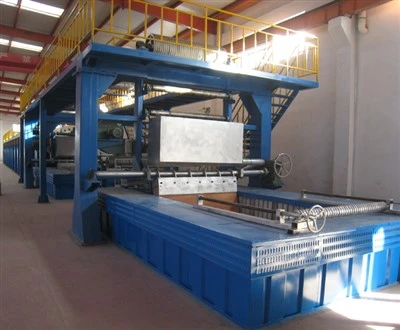
If you’re running a galvanizing shop, whether you’re a small operation with one kettle or a big facility with multiple lines, we’ve got the zinc fume exhaust systems and parts you need. We can walk you through sizing, tell you what parts you’re missing, or help you retrofit an old system so it works better. Don’t wait until you get a fine, or until a worker calls out sick because of fumes—reach out to us to talk through your setup. We’re here to make sure your shop runs smooth, safe, and without the headaches that bad fume control causes.
Hot Dip Galvanizing Equipment Parts References
- Occupational Safety and Health Administration (OSHA). Zinc fumes.
- American Galvanizers Association. Hot dip galvanizing: Safety and fume control guidelines.
- National Institute for Occupational Safety and Health (NIOSH). Zinc oxide fumes exposure limits.
Jinzhou Hongri Galvanizing Equipment Co., Ltd.
As one of the most professional hot dip galvanizing equipment parts manufacturers and suppliers in China, we’re featured by quality products and good price. Please rest assured to buy durable hot dip galvanizing equipment parts for sale here from our factory. We also accept customized orders.
Address: Yingpan Industrial Park, Taihe District, Jinzhou City. Address: No. 90, Gongwei Street.
E-mail: rsea.jz@163.com
WebSite: https://www.hrgalvanize.com/
