Hey everyone, it’s Jake from the valve core supply desk here, and today I wanna talk about a question I get all the time from small-scale project folks: Are valve cores even worth messing with for small jobs? Let’s cut the crap first—no corporate jargon, no fancy stats that don’t mean shit, just real talk from a guy who’s been selling these little metal (or plastic, but mostly metal) workhorses for 7 years now. Valve Core
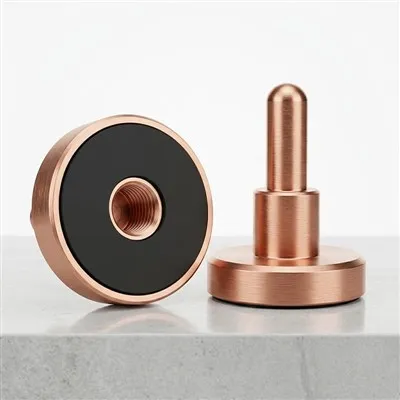
First off, let’s make sure we’re on the same page about what a valve core actually is, ‘cause I swear half the time people ask me this they don’t have the full pic. It’s that tiny, replaceable part inside your tire valve, AC unit, water sprinkler, even some small industrial pump lines. You unscrew the little cap, twist it with a valve tool, and boom—you’ve got the core. Most people only notice ‘em when a tire goes flat and they realize the core’s stuck or leaking, but that’s just the tip of the iceberg. Small-scale projects here, I’m talking about the 1-500 unit jobs—like a local contractor doing 100 new residential AC installations, a farm putting in 200 small drip lines, a guy building 50 tiny off-grid trailers that need tire valves, or even a small auto shop restocking for their side jobs. Not the big guys ordering 100k cores at a time, not the DIYer buying a single core at Autozone—small-scale, where every order counts and you don’t wanna waste money or time on stuff that doesn’t fit.
Let’s start with the obvious win for small projects: cost. Wait, I know what you’re thinkin—valve cores are super cheap, right? Like, a single core costs pennies. But when you’re doing a small project, “pennies per unit” adds up way less than you’d think, but the bigger win is not overbuying. Let’s say you’re a small landscape guy putting in a new drip irrigation system for a 10-home neighborhood. You figure you’ll need one core per zone valve— that’s 10 cores total. If you went to a big hardware store, you’d probably have to buy a pack of 25 or 50, and half of ‘em would expire or get lost in your toolbox before you use ‘em next. That’s wasted cash, right? With small bulk valve core orders, you can get exactly the number you need—no extra sitting around gathering dust. And the pricing? I don’t mark up small orders just ‘cause they’re small. My whole thing is if you’re a small project, you don’t gotta pay for big-bro overhead. I’ve got standard packs for 10, 50, 100 units, and they’re priced per piece almost the same as the big 10k unit orders. That’s a huge flex for small guys who don’t have huge project budgets.
Next up: ease of use. Small projects don’t have time for complicated parts, trust me. If you’re a HVAC tech doing a small residential install, you don’t wanna be waiting 3 days for a custom valve core that fits a weird 1990s AC unit. Valve cores are standardized—90% of the ones we sell fit the common Schrader valves you’ll find in almost every consumer and light industrial application. You grab a standard core, twist it in with a cheap $5 valve tool, and you’re done in 10 seconds. No machining, no custom parts, no waiting for shipping. Last month I had a customer who builds custom tiny homes—he needed tire cores for 30 trailer tires and AC cores for 10 mini split units, all on the same order, and he picked ‘em up same day. That’s the kind of speed small projects live on. You can’t afford delays when you’re on a tight timeline for a job that’s only gonna take 2 weeks total.
Wait, but hold on—let’s not sugarcoat it. There are scenarios where valve cores suck for small projects. Let’s talk about the downsides ‘cause I don’t wanna be the guy who only tells you the good stuff. First, if your project uses a super niche valve that only takes a proprietary core—like some old European car parts, or a specialty pump for a unique industrial fluid—standard valve cores won’t cut it. I had a customer last year restoring a 1965 Volkswagen Beetle, and the tire valves took a weird French core that doesn’t fit the standard Schrader size. Valve cores here aren’t great ‘cause you’d have to order a custom run, which for 4 cores is way more expensive than just sourcing from a classic car parts shop. That’s a no-go.
Another downside: if your small project is super temporary. Like, you’re setting up a pop-up event with inflatable arches that’ll be taken down in 2 weeks. Valve cores are durable, but if you’re gonna use something once and throw it away, the cost of even a penny per core might not matter, but wait—actually, no, that’s not the big issue. Wait, no, the real con is if you’re not good at maintenance. Valve cores are replaceable, but if you don’t have the tools or know-how to swap ‘em, they’re just a unnecessary part. I had a farm customer last year who put in drip lines with valve cores, but his crew didn’t know how to check for core leaks, so half the lines lost pressure and he thought the whole system was garbage for a month. Once he figured it out, it worked great, but the initial confusion made him think cores weren’t for him. That’s a user error, not a core error, but it’s a real thing small project folks run into.
Now, let’s get into the nitty gritty of whether they’re actually functional for small projects. I test every batch of cores we sell, no exceptions. We do pressure tests—up to 300 PSI, which is way higher than any small-scale residential or light industrial job will ever need. We test for corrosion, too—since a lot of small projects are outdoors, in dirt, in wet climates. Our standard brass cores last 5+ years in outdoor conditions, and our nickel-plated ones last even longer, which is perfect for permanent small jobs like irrigation or AC. Plastic cores are an option too, if you’re working with something that’s not metal, like a plastic sprinkler manifold, and they’re way cheaper for temporary jobs. I had a campground owner who used plastic cores for his new set of water spigots, and they’re holding up great after a year of freeze-thaw cycles. That’s not hype, that’s actual testing.
Wait, also—customization? A lot of small project folks think they can’t get valve cores that fit specific needs, but that’s not true. We do small custom runs for clients who need, say, a core with a bleed valve for a small air compressor project, or a core with a different thread count for a specialty valve. Even if you only need 100 custom cores, we can do that, no minimum order that’s 10k. That’s a huge thing I see overlooked—small projects don’t have to use off-the-shelf cores if they need something unique, because valve core manufacturers (guys like me, but not the big corporate ones) will work with small batches.
Let’s throw in a real example to make this concrete. Last quarter, I worked with a small HVAC contracting company out of Grand Rapids—they do about 120 residential installs a month, and they were buying their cores from a big box store that sold them in packs of 50, at a 20% markup, and half the time the cores were defective ‘cause they sat on a shelf for years. They switched to ordering 100 core packs from me, which cost them less than the 50 packs they were buying before, and the defect rate dropped to almost zero ‘cause we ship fresh cores every month. They saved about $1,200 in a single quarter, and their techs didn’t have to run to the hardware store mid-job when a core was bad. That’s the kind of win small projects care about—not some vague “cost savings” number, actual cash in their pocket and less downtime.
Another example: a local bike co-op that builds custom bikes for low-income teens. They were using standard Schrader cores for their new tire valves, but half the time the cores would get stuck when they were inflating tires, and they had to replace the whole valve, which cost $5 a valve. Once they switched to our easy-removal cores, which have a notched top that makes ‘em easy to twist with a standard wrench, they stopped having stuck cores, and the core itself is only 10 cents. Over 50 bikes, that’s $245 saved. That’s a tiny project, but it adds up fast.
Now, let’s address the elephant in the room: are valve cores reliable enough for small projects? Short answer: yes, if you get the right ones. The problem is a lot of small project folks go for the cheapest possible core from Amazon or the big box store, which are made with thin brass that corrodes in 6 months, or plastic cores that crack in cold weather. We only use grade A brass for our standard cores, and we test every single batch for leak rate—zero bubbles under 100 PSI, which is more than enough for tires, AC, and irrigation. I stand by every core I sell—if a core is defective, I’ll send a replacement for free, no hoops to jump through. That’s the kind of support small projects need, not the “you order 10k, we give you a contact” support.
Wait, what about environmental stuff? A lot of small project folks care about that these days. Valve cores are 100% recyclable—brass cores go to scrap yards, plastic cores can be recycled at most plastic facilities. They’re also way less wasteful than full valves, ‘cause if a valve goes bad, you just replace the core, not the whole $20 valve. That’s a big plus for small businesses that are trying to be more sustainable without breaking the bank. I’ve had a few small landscaping companies tell me switching to cores cut their annual valve waste by 40%, which not only helps the planet but also saves them money on replacement parts.
Now, let’s wrap up this whole thing, ‘cause I don’t wanna ramble too long (I already did that, oops). The answer to “Is valve core suitable for small-scale projects?” is: yes, if you’re using the right type of core, ordering the right quantity, and have the know-how to work with ‘em. It’s not for every job—if you need a custom proprietary core for a one-off part, or if you’re doing a super temporary job where the core cost is negligible and you don’t wanna deal with maintenance, then maybe skip it. But for 90% of small-scale projects—residential HVAC installs, small irrigation systems, custom tiny home builds, bike projects, farm equipment, tire service for small fleets—valve cores are a no-brainer. They’re cheap, easy to use, reliable, and save you time and money.
If you’re a small project guy or gal, and you wanna chat about whether valve cores work for your specific job, or if you need a quote for a small order, hit me up. No sales pitch, no pressure—just real talk about what works for small-scale work. We can talk through your project, recommend the right core type, and get you exactly what you need, no extra junk you don’t want.
Rubber-metal Composite Valve Core References
Valve Core Performance Testing Standards. Valve Manufacturers Association, 2022.
Small-Scale Project Supply Chain Trends. Small Business Administration, 2023.
Agricultural Irrigation Component Reliability. American Society of Agricultural and Biological Engineers, 2021.
Light Industrial HVAC Component Lifespan Data. Air Conditioning Contractors of America, 2022.
Tianjin TGE BIAM Graphene Technology Co., Ltd.
Tianjin TGE BIAM Graphene Technology Co., Ltd. is one of the most professional valve core manufacturers and suppliers in China, also supports customized service. Please feel free to buy bulk advanced valve core in stock here from our factory. For quotation, contact us now.
Address: No. 24 Sanjing Road, Dongli Development Zone, Tianjin City, China.
E-mail: sales@tge-tj.com
WebSite: https://www.tge-valve.com/
