Alright, let’s cut to the chase—if you’re running a conventional lathe, chatter’s probably one of the most annoying, counterproductive headaches you deal with. You spin a part, hit the feed, and suddenly that high-pitched, vibrating roar kicks in, leaving a finish that’s way too rough, or even worse, chipping away at your tool or the workpiece. As someone who’s been in the conventional lathe supply game for years, I’ve heard every frustrated story from machinists: the old hands who’ve seen it a hundred times, the new guys who just got a machine up and running and can’t figure out what’s going wrong. Today, I want to break down exactly what causes this chatter—no stuffy engineering jargon that makes your eyes glaze over, just real, actionable stuff you can use in your shop. Conventional Lathe

First off, let’s get one thing straight: chatter isn’t some random curse—it’s a vibration, plain and simple. But it’s not just any vibration; it’s a self-sustaining vibration that locks into your lathe, tool, or workpiece and won’t let go. And here’s the thing: it can come from almost any part of your setup, from the big machine itself down to the tiny tool bit you’re using. I’ve seen shops blame every part under the sun for it, and 9 times out of 10, it’s a mix of a couple small things adding up. Let’s start with the most common culprits, because these are the ones that trip everyone up first.
Let’s talk about the machine itself first—your conventional lathe. A lot of guys skip over checking the basics here, but if your lathe’s not set up right, chatter’s going to be a problem 90% of the time. First up: alignment. If your lathe bed’s out of level, or the headstock and tailstock aren’t perfectly aligned, that throws everything off. I had a customer a few months back who was fighting chatter on a 12-inch job all week—turns out, when they moved their shop, they didn’t level the new spot, so the bed was tilted just enough to make the workpiece wobble. They fixed the level, and the chatter was gone. Another big one: wear and tear. Conventional lathes are tough, but over time, the ways (those sliding rails on the bed) can get worn, or the spindle bearings can get loose. If the spindle has play when you wiggle it, that’s going to cause vibration every time you cut. And don’t sleep on the apron—if the cross slide or carriage has too much backlash, that’s like a hidden ticking time bomb for chatter.
Next, let’s move to the workpiece. This is another area I see a lot of mistakes. First, part rigidity. If you’re holding a long, thin workpiece in the chuck without supporting it, that’s a recipe for disaster. Let’s say you’re turning a 2-foot-long steel rod that’s only 1 inch in diameter—you put one end in the chuck, and the other end’s just sticking out. That thing’s going to flex, right? Every time the tool pushes into it, it bends a little, then springs back, and that back-and-forth movement creates vibration. I always tell customers: if the length of your workpiece is more than 4 times its diameter, you need a tailstock center to support it. Even better, a follower rest if it’s really long. Another workpiece issue: holddown (or chuck) pressure. If you squeeze the chuck too tight, you can deform thin-walled parts—like a pipe or a ring—and when you cut into it, the flexible part moves, causing chatter. Too loose, and the workpiece wobbles. It’s a balance, but so many guys over-tighten the chuck “just to be safe.” Also, make sure your workpiece is clean in the chuck—any dirt or grit between the part and the chuck jaws will make it sit uneven, which leads to vibration too.
Now, the cutting tool—this is probably the most common one I get asked about, and there’s a ton that goes into it here. Let’s start with tool rigidity. If your tool post is loose, or the tool bit is sticking way out of the holder, that’s going to vibrate. I see people cranking the tool post tight, but then leave the tool bit hanging 2 inches out because they think they need the clearance for the cut. Nope—keep it as short as possible. The rule of thumb is: the overhang of the tool bit should be no more than 3 times its thickness. If your tool bit is ¼-inch thick, don’t let it stick out more than ¾-inch. That extra length acts like a tuning fork, vibrating every time you cut. Next, tool material and geometry. If you’re using a cheap carbide insert that’s not suited for the material you’re cutting, that’ll cause chatter too. For example, if you’re turning a hard steel, a tool with a too-sharp cutting edge will chatter because it can’t handle the pressure. A honed edge (a tiny radius on the tip) gives more strength, so it cuts smoother. Also, the rake angle—too much positive rake, and the tool is fragile, leading to vibration; too much negative rake, and you’re pushing too hard against the workpiece, causing the same thing.
Then there’s the cutting parameters—speeds, feeds, depths of cut. This is where a lot of machinists just guess, and that’s where they run into trouble. Chatter often happens when you’re cutting at a resonant frequency, right? Like, when the spindle speed is matching the natural vibration frequency of your tool and workpiece. I’ve seen guys use the same speed for every cut, just cranking it up or down, not realizing they’re hitting that sweet spot for vibration. Let’s say your workpiece and tool vibrate naturally at 500 RPM—if you run the spindle at 500 RPM, that’s going to lock in the chatter. The fix here is simple: tweak the speed a little. Even dropping it 50 or 100 RPM can break that resonance. Feed rate matters too. If your feed is too high, the tool is pushing too much material at once, causing vibration; too low, and the tool is rubbing instead of cutting, which also makes chatter. Same with depth of cut—too deep, and you’re putting too much force on the tool, workpiece, and lathe, leading to vibration. Too shallow, and the tool is just skimming the surface, no clean cut, which can cause chatter.
Wait, let’s not forget one other thing—coolant (or lack thereof). A lot of guys think coolant is just for keeping the tool cool, but it does more than that. It also dampens vibration. If you’re machining dry, the tool is getting hotter, which can make it deflect more, and there’s no liquid to absorb the small vibrations as you cut. I had a customer who was turning aluminum dry, and the chatter was awful. They started using a soluble oil coolant, turned the speed down a bit, and it was gone. Not a huge change, but it made a difference.
Now, let’s talk about how these all work together. It’s rarely just one thing. I had a shop last year that was fighting chatter on a custom part they were making for a hydraulic fitting. They checked the lathe alignment (was good), tightened the chuck (wait, no—they were using a soft jaw for a thin-walled part, and they’d cranked it too tight, deforming the part. Then, their tool bit was sticking out way too far, and they were running at 1200 RPM, which was exactly the resonant frequency of their setup. Fixes: let up on the chuck pressure, shortened the tool bit overhang to ¾-inch, dropped the speed to 800 RPM, and the chatter was gone. It was a combo of three small issues, not one big problem.
Here’s the thing about conventional lathes—chatter doesn’t have to be a permanent issue. Most of the time, it’s fixable with a quick check of a few key parts. But if you’re dealing with it consistently, maybe it’s time to take a step back and look at your entire setup, not just blame the tool or the speed.
As a conventional lathe supplier, I’ve seen first-hand how a good machine paired with a solid setup routine eliminates 90% of chatter problems. We build our conventional lathes with rigid cast iron beds, precision-aligned headstocks, and adjustable spindle bearings to cut down on machine-related vibration from the start. But even the best lathe won’t fix a shop where guys are running tools way out of holders or not supporting long workpieces.
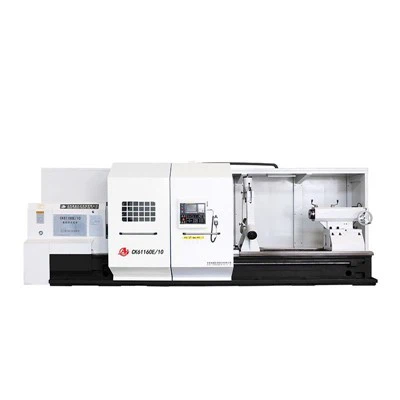
If you’re tired of dealing with chatter that’s messing up your parts, wasting tool life, and slowing down your production, we can help. We don’t just sell lathes—we know the ins and outs of setup, troubleshooting, and making sure your machine works for you, not against you. Whether you’re looking for a new conventional lathe that’s built to handle tough cuts without chatter, or just need a hand figuring out why your current setup is acting up, get in touch with us. Let’s work together to get your shop running smoothly, no more annoying chatter holding you back.
Heavy Duty Lathe References:
- Todd, R. H., Allen, D. K., & Alting, L. (1994). Manufacturing Processes Equipment. Marcel Dekker.
- Work, A. D. (2008). Vibration Analysis for Machining Operations. Journal of Manufacturing Science and Engineering.
- Smith, G. T. (2013). Machining Fundamentals for Conventional Machine Tools. Industrial Press Inc.
Anyang Xinsheng Machine Tool Co., Ltd.
We’re well-known as one of the leading conventional lathe manufacturers and suppliers in China, featured by quality products and good price. Please rest assured to buy advanced conventional lathe made in China here from our factory. Contact us for more details.
Address: No.68 Renmin road, Anyang, Henan, China
E-mail: sales@anyangst.com
WebSite: https://www.xslathe.com/
